
How to Educate Guests on Multi-Day Wedding Etiquette
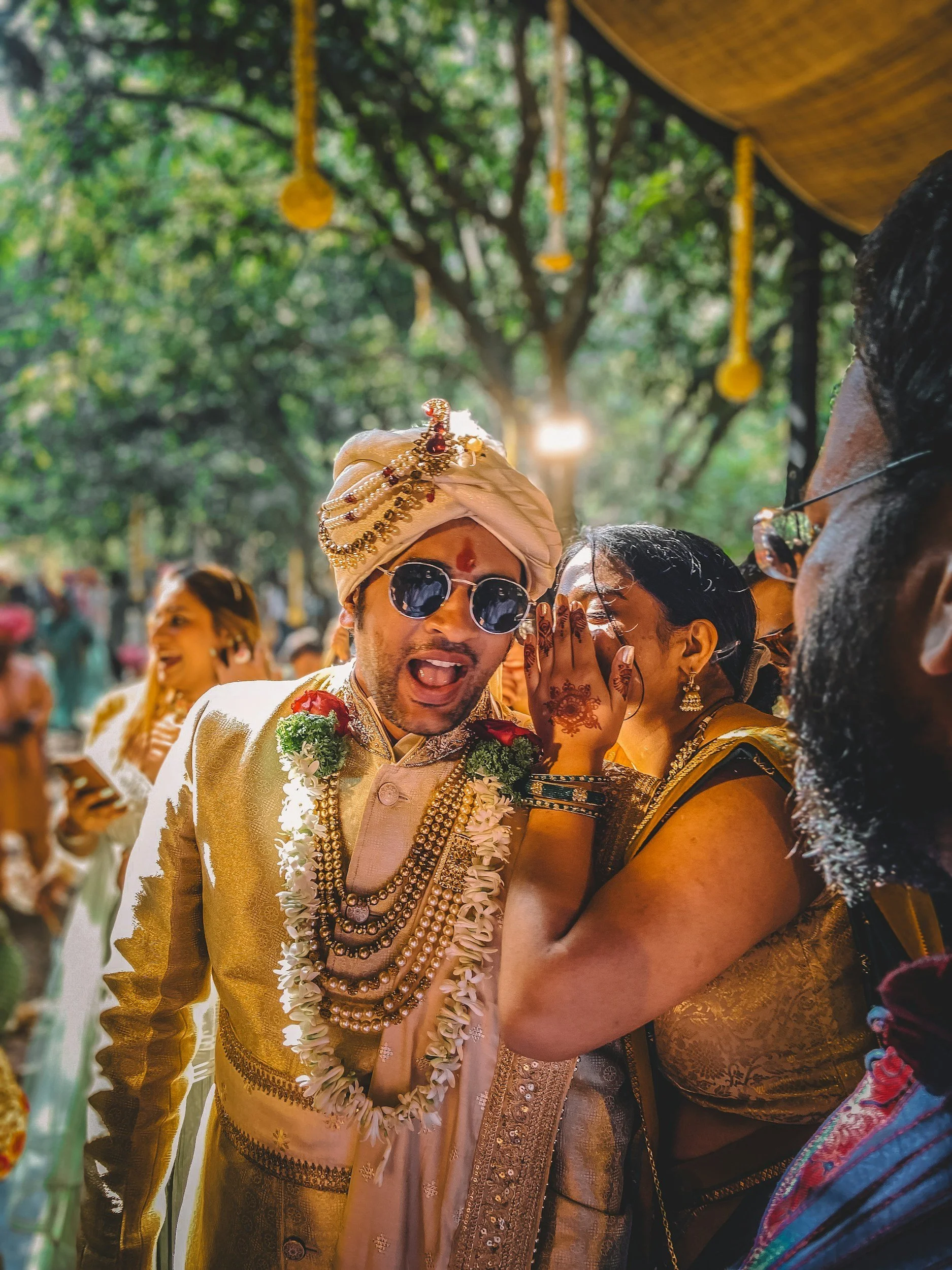
Image credits: Stock photography
The texts are already rolling in: "What is a Sangeet and is it formal?" "Is the welcome dinner mandatory?" "Do I need three different outfits for Saturday?"
You’re planning the multi-day wedding celebration of your dreams—a vibrant South Asian wedding or a sprawling destination weekend—but your guests... well, they’re wonderfully confused.
How to Educate Guests on Multi-Day Wedding Etiquette

Photographer: Jesslyn Mccartney @jesslynmccartney
Wedding planner: Tum Hi Ho Events
Multi-day weddings are an incredible way to celebrate, allowing you to spend more quality time with your loved ones. But they ask more of your guests in terms of time, budget, and energy. The key to ensuring everyone has a blast (and stops texting you questions) isn't just a great itinerary; it's great education.
Here’s your no-stress guide to getting everyone on the same page.
1. The Wedding Website: Your Central Command
Your wedding website is the single most important tool in your arsenal. It’s the one-stop shop where guests can find every single detail, so promote it early and often (starting with your save-the-dates).
A vague "Schedule" tab won't cut it. You need a dedicated "Wedding Weekend" or "Events" page with:
A Detailed Itinerary: List every single event, even optional ones. Include the Date, Time, Location, and (most importantly) the Dress Code.
A "What to Expect" FAQ: This is your secret weapon. Answer every question before they ask it.
Example: "What is a Haldi ceremony?"
"The Haldi is a traditional Hindu ceremony where a turmeric paste is applied to the bride and groom for good luck and to give them a glow! It's a fun, casual event. Guests are welcome to watch, and close family will be invited to participate."
Example: "Are all events mandatory?"
"We would love to see you at everything! The Wedding Ceremony and Reception are our main events. The Welcome Dinner, Sangeet, and Sunday Brunch are all joyfully optional if you need some downtime to explore!"
A Visual Dress Code Guide: Don't just say "Cocktail Attire." This is especially crucial for Indian weddings.
Example: For the Sangeet, write: "Think 'Colorful Cocktail!' Bright, bold, and ready to dance. Lehengas, vibrant suits, or cocktail dresses are all perfect."
Pro-Tip: You can even add a small Pinterest board link or photo gallery showing examples of what to wear.

Having a wedding website is a game changer when planning your wedding.
Photo credits: Stock photography
2. The Invitation: Clarify Who is Invited to What
Your main invitation is for the main event (the Ceremony and Reception). If you are having smaller, more intimate events (like a Mehendi or a family-only ceremony), it is perfectly acceptable to have separate, smaller insert cards for those. This clarifies that not everyone is invited to everything and avoids hurt feelings or confusion.
3. The "Know Before You Go" Email
About one to two weeks before the wedding, send a final "Know Before You Go" email to all your confirmed guests. This is a brilliant way to build excitement and get everyone the final details.
Include:
The final, simplified itinerary (with links back to the website).
A reminder of the shuttle/transportation schedule.
The weather forecast for the weekend.
A point-of-contact for day-of questions (ideally your wedding planner or a designated bridal party member, not you).
4. The Welcome Bag: Your On-Site Reminder
When guests check into their hotel, a welcome bag is the perfect final touch. Along with water and snacks, the most important item is a beautifully printed, easy-to-read weekend itinerary.
This printed card will be their bible for the weekend. They’ll carry it with them and reference it constantly. Make sure it includes:
A timeline of all events.
Transportation pick-up times and locations.
Key addresses.
The wedding planner's contact number for emergencies.
The Secret to Success: Your Tone
The most important part of this education is your tone. You are not handing out rules; you are being a gracious host.
Be Enthusiastic: Frame everything as an exciting part of the celebration.
Explain the "Why": For cultural events, briefly explain the meaning behind the tradition. Guests are far more excited to participate in something they understand.
Show Gratitude: "We are so honored you are traveling to celebrate with us for this special weekend..."
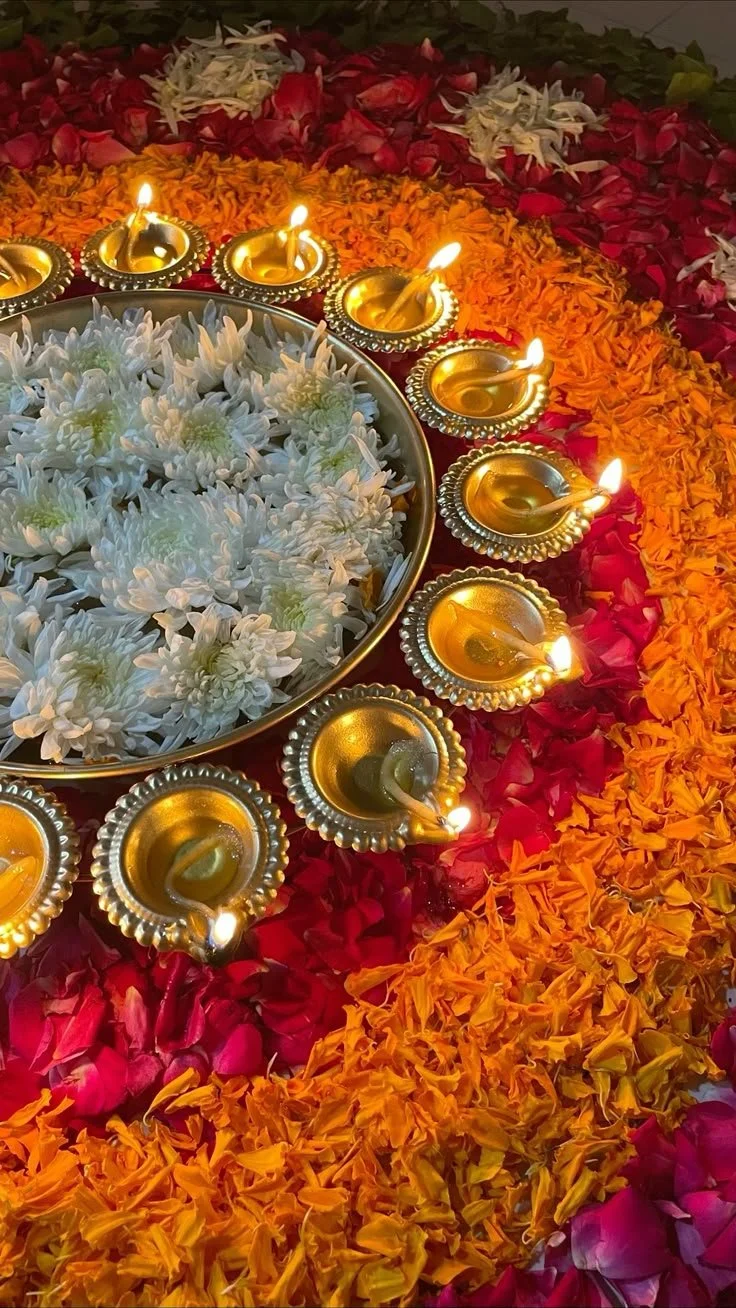
Image credits: Stock photography
By being a proactive, clear, and warm communicator, you're not just giving your guests instructions—you're building anticipation. You're taking the stress off their shoulders, allowing them to simply show up, celebrate, and be fully present for every wonderful moment.