Eco-Friendly Mandaps: How Indian Wedding Planners USA Are Going Green
Eco-Friendly Mandaps: How Indian Wedding Planners USA Are Going Green
A single luxury Indian wedding in the United States can generate upwards of several hundred pounds of non-biodegradable floral foam, metric tons of single-use cut blooms, and plastic-wrapped structural armatures destined straight for local landfills by Sunday midnight. For decades, grandeur in South Asian celebrations was equated with sheer botanical mass—creating ceremonial Mandaps that looked breathtaking for two hours of pheras but left a massive ecological footprint behind.
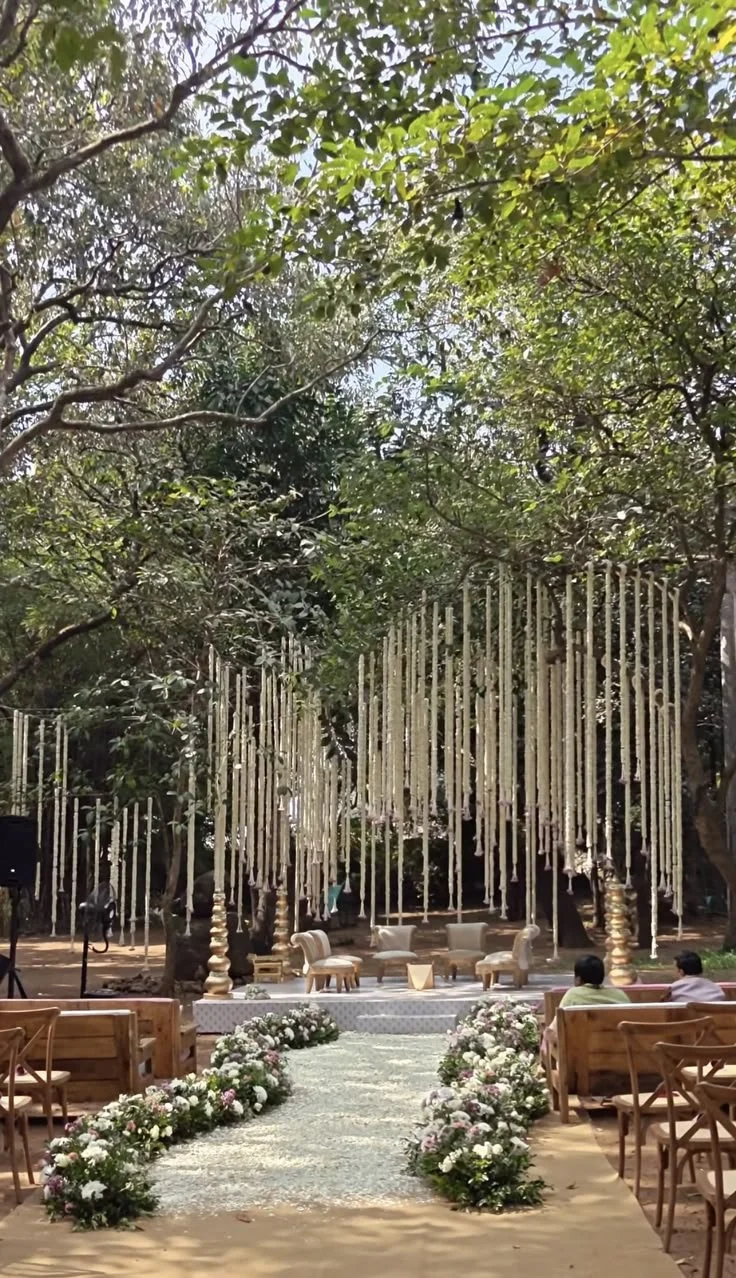
Image Credits: Pinterest
Today, an eco-conscious revolution is reshaping high-end South Asian celebrations across New York, New Jersey, Pennsylvania, California, Texas, and destination resorts in Mexico. Discerning couples—many of whom are second-generation professionals, eco-advocates, and creative tastemakers—are demanding design that reflects their core values. In response, premier South Asian event planners and visionary floral sculptors are proving that sustainability and breathtaking opulence are not mutually exclusive.
If you are designing your ceremony space and seeking to honor sacred rituals with environmental stewardship, here is the definitive guide to how the industry's top planners are building sustainable, foam-free, and living Mandaps across the country.
The Paradigm Shift: From Disposable Grandeur to Regenerative Elegance
In classical Vedic philosophy, the Mandap represents the cosmos, with its four pillars signifying the four stages of life, the four parents, and the balance of fundamental earthly elements (Prithvi, Jal, Agni, Vayu, and Akasha). Paradoxically, modern conventional production drifted far from this reverence for nature, relying heavily on petrochemical foam bricks, imported blooms flown across continents, and disposable polystyrene backdrops.
In 2026 and 2027, luxury Indian wedding planners are returning to foundational roots through regenerative spatial design.
┌────────────────────────────────────────────────────────────────────────┐
│                   THE SUSTAINABLE MANDAP REVOLUTION                    │
├──────────────────────────┬─────────────────────────────────────────────┤
│ Conventional Standard    │ The Sustainable Editorial Standard          │
├──────────────────────────┼─────────────────────────────────────────────┤
│ Toxic floral foam blocks │ Living root systems & water-tube mechanics  │
├──────────────────────────┼─────────────────────────────────────────────┤
│ Imported single-use cuts │ Potted trees, moss mounds & seasonal stems  │
├──────────────────────────┼─────────────────────────────────────────────┤
│ Plastic structural cores │ Earthen stone, reclaimed timber & raw clay  │
├──────────────────────────┼─────────────────────────────────────────────┤
│ Landfill-bound teardowns │ Flora donation, composting & replanting     │
└──────────────────────────┴─────────────────────────────────────────────┘
Going green is no longer about settling for sparse, rustic DIY aesthetics. It is an exercise in bespoke craftsmanship, architectural ingenuity, and intentional luxury.
Read More Here: The Wedding Experience - Wedding Trends 2027 at a Glance
5 Innovative Ways US Planners Are Creating Zero-Waste & Foam-Free Mandaps
1. The 100% Foam-Free Floral Engineering
The single dirtiest secret in the conventional floral industry is phenolic foam (oasis). This petroleum-based plastic does not dissolve; instead, it crumbles into microscopic toxic particles that contaminate municipal waterways and soil.
Leading luxury floral designers across the Northeast and West Coast are abandoning foam in favor of time-tested and cutting-edge mechanical armatures:
Architectural Agraffes & Kenzan (Flower Frogs): Heavy-gauge metal pins, reusable chicken wire cages, and water-filled glass flutes provide structural stability while keeping cut stems hydrated and healthy throughout lengthy Hindu and Sikh ceremonies.
Hydro-Rigs and Tension Mechanics: Floral sculptors utilize concealed, reusable steel tension rings with recirculating water wells, allowing blooms like garden roses, dahlias, and tuberoses to thrive naturally without toxic stabilizers.
Moss-Matrix Construction: Rather than anchoring stems in synthetic sponge, designers use damp Spanish and sheet moss encased in biodegradable twine, creating verdant, organic mounds that are compostable post-event.
Read More Here: Sustainable Floristry Network - Foam-Free Floral Mechanics
2. Living Botanical Mandaps & Potted Specimen Trees
Why harvest thousands of cut flowers only for them to wither within hours when you can design with living, breathing flora?
Mature Tree Architecture: Planners are collaborating with boutique regional nurseries in states like New Jersey, Pennsylvania, and California to crane mature specimen trees—such as potted Mediterranean olives, Japanese maples, bougainvillea, or native ficus—into hotel ballrooms or estate lawns to form the structural pillars of the Mandap.
Lush Living Ground Cover: Rather than utilizing synthetic astro-turf or single-use floral runners, aisleways and stage skirts are built from potted perennial grasses, maidenhair ferns, and fragrant herbs (mint, rosemary, and holy basil/tulsi) that perfume the air under guests' footfalls.
Post-Event Life Cycle: Following the wedding, these living trees and botanicals are returned to local landscaping nurseries, replanted in the couple's newly purchased family home, or donated to urban greening initiatives and local community gardens.
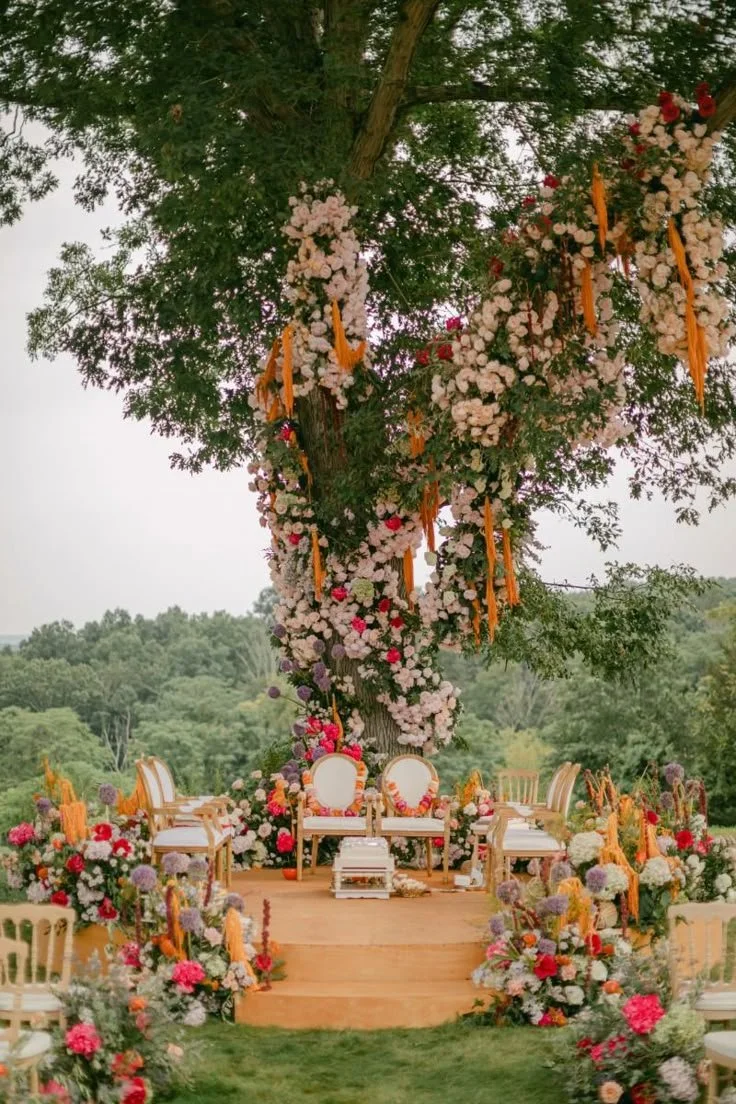
Image Credits: Pinterest
3. Reclaimed Architectural Substrates: Travertine, Rammed Earth & Raw Wood
A major driver of wedding decor waste is temporary lumber framing wrapped in single-use vinyl or Styrofoam trims. Modern sustainable planners are shifting toward authentic, reusable architectural elements.
Artisanal Rammed Earth & Plaster: Designers construct modular Mandap arches using natural lime wash, reclaimed brick, and rammed-earth plinths that mimic ancient Rajasthani temple architecture.
Mortise-and-Tenon Timber: Reusable timber pavilions crafted from reclaimed barn wood or certified FSC teak assemble without disposable chemical fasteners, offering a grounded, sculptural aesthetic.
Stone Pedestals: Porous travertine, volcanic limestone, and untreated sandstone blocks serve as sculptural bases for ceremonial offerings, adding weight, tactile authenticity, and timeless editorial elegance.
Read More Here: Color Palettes for 2027: Earth-Grounded Naturals and Mineral Pigments
4. Zero-Waste Teardowns: Floral Composting & Charitable Re-Purposing
The impact of an eco-friendly Mandap is measured as much by its teardown as its setup. Top-tier luxury planners no longer allow teardown crews to toss botanical installations into commercial dumpsters.
Charitable Bloom Repurposing: Planners coordinate with non-profit partners like Repeat Roses or local hospices, senior living communities, and women’s shelters across hubs like New York City, Dallas, and Los Angeles. Overnight strike teams break down non-ceremonial florals into bedside arrangements to bring joy to others.
Industrial Composting Programs: For sacred flowers used during religious rites (such as marigold garlands, lotus stems, and rose petals used in the Pheras and Varmala exchange), planners coordinate with specialized organic composting facilities or sacred river runoff programs that respect cultural traditions without harming local ecosystems.
Eco-Friendly Aisle Petals: Instead of bleached or dyed paper confetti, guests shower the newlyweds with fresh organic rose petals, dried native wildflowers, or olive leaves sourced directly from zero-spray local farms.
Read More Here: Repeat Roses - Sustainable Event Floral Repurposing
5. Eco-Conscious Sacred Havans & Biodegradable Offerings
The sacred fire (Havan or Agni) is the spiritual heart of the Hindu wedding, into which offerings of wood, ghee, grains, and herbs are made. Sustainable planners ensure this sacred ritual honors the planet it reveres:
Sustainably Sourced Sacred Woods: Planners source naturally fallen mango, sandal, or apple wood certified by fair-trade arborists rather than commercially clear-cut lumber.
Smokeless, Organic Samagri: Curating pure herbal samagri free from chemical propellants, synthetic fragrances, or plasticized packaging ensures a clean, non-toxic burn that protects indoor ballroom air quality and keeps guests comfortable.
Clay and Brass Vessels: Moving away from foil pie pans and single-use plastic trays, planners style the puja station with heirloom hand-beaten kansa (bronze) bowls, unglazed terracotta plates, and hand-rolled beeswax diyas.
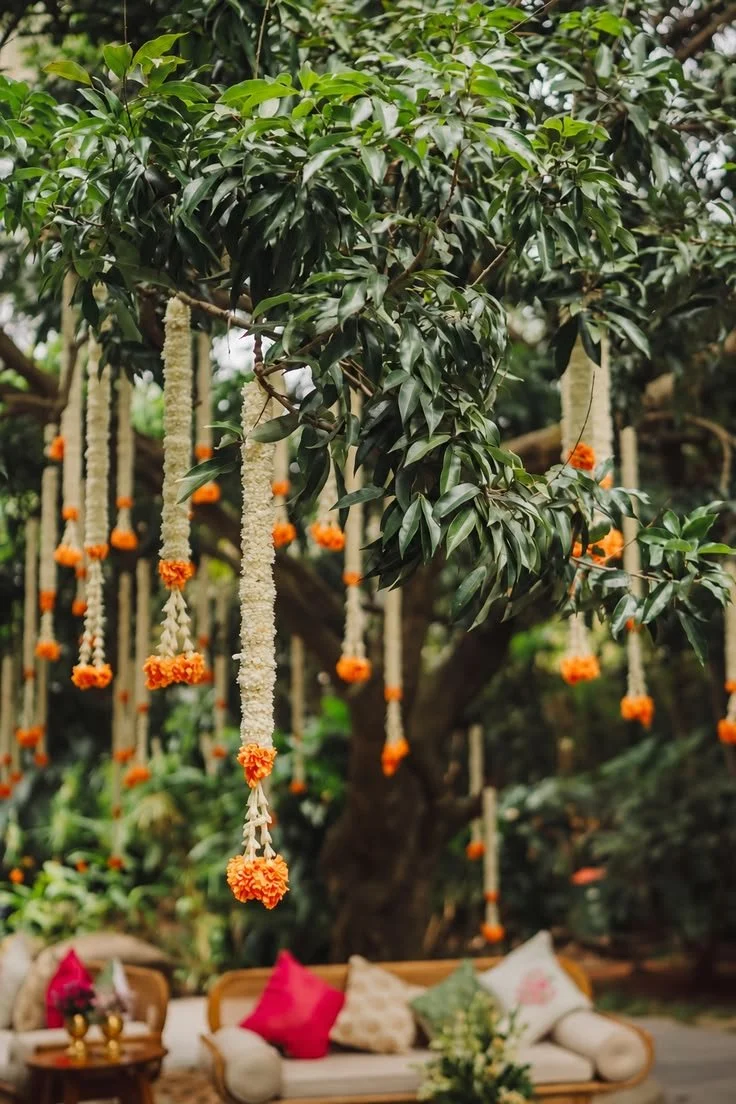
Image Credits: Pinterest
How to Balance Eco-Conscious Decor Across the Full Wedding Weekend
Creating a sustainable celebration does not mean confining your environmental values solely to the ceremony. Here is how leading wedding producers weave sustainability across all four days:
┌────────────────────────────────────────────────────────────────────────┐
│               THE MULTI-DAY SUSTAINABILITY BLUEPRINT                   │
├─────────────────┬──────────────────────────────────────────────────────┤
│ Event           │ Sustainable Execution Anchor                         │
├─────────────────┼──────────────────────────────────────────────────────┤
│ 1. Haldi        │ Organic wild-harvested turmeric & living clay pots;  │
│                 │ fresh botanical water games in lieu of plastics      │
├─────────────────┼──────────────────────────────────────────────────────┤
│ 2. Sangeet      │ Reusable antique brass lanterns, fabric ceiling      │
│                 │ canopies of handloom khadi, and local street carts   │
├─────────────────┼──────────────────────────────────────────────────────┤
│ 3. Mandap       │ 100% foam-free floral arches, living potted trees,   │
│                 │ and bio-compostable petal toss stations              │
├─────────────────┼──────────────────────────────────────────────────────┤
│ 4. Reception    │ Potted architectural tablescapes, soy wax candle     │
│                 │ clusters, and locally sourced farm-to-table menus    │
└─────────────────┴──────────────────────────────────────────────────────┘
Key Questions to Ask Your Decorator During Consultations
When interviewing decor designers and florists in competitive markets like New Jersey, California, or Texas, ask these specific questions to verify their genuine sustainability practices:
"Are you fully equipped to execute a 100% foam-free Mandap structure?"
Ensure they have hands-on experience with mechanical armatures, water tubes, and moss structures rather than green floral foam.
"What is your plan for flora teardown and strike?"
Ask whether they have relationships with local municipal composting programs or floral re-purposing charities.
"Can we source living specimen trees or potted plants from local regional nurseries?"
A seasoned designer will have established trade partnerships with regional tree farms and plant rental services.
"How do you minimize single-use plastics during transportation?"
Inquire whether flowers are packed in reusable buckets and wrapped in biodegradable craft paper rather than disposable shrink-wrap.
Read More Here: The Ultimate South Asian Wedding Planning Timeline: When to Contract Your Decor Team
Frequently Asked Questions About Eco-Friendly Indian Mandaps
-
Not necessarily. While living Mandaps require specialized engineering and labor-intensive mechanical setups, you save considerably on the sheer volume of imported cut stems that often end up in the trash. Reallocating your decor budget toward living tree rentals, reusable architectural backdrops, and dramatic architectural pin-spot lighting frequently balances out the bottom line.
-
No. When built using proper water-tube mechanics, water-reservoir troughs, and hydrated moss matrices, flowers often retain moisture better than in floral foam, which can dry out quickly under hot outdoor sun or intense stage spotlights.
-
Yes. Planners coordinate closely with venue banquet directors and engineering teams to ensure plant pots feature sealed protective bases, load-in freight elevators accommodate tree heights, and floor weight capacities meet engineering standards. Venues across New York, New Jersey, and California routinely approve living botanical installations.
-
Traditional Hindu customs respect the sanctity of blooms used during the pheras. Planners coordinate respectful composting protocols or partner with eco-friendly immersion initiatives where petals are returned cleanly to the earth, avoiding standard commercial landfills while honoring sacred ancestral rites.