
The Rise of Micro-Events: A Perspective from a Bespoke Indian Wedding Planner USA.

Photo credits: Stock photography
The "Big Fat Indian Wedding" Diet: Why Couples Are Trading 500 Guests for 50 (and Loving It)
For decades, the "Big Fat Indian Wedding" wasn't just a stereotype; it was a mandate. If you didn't invite your father's business partner's neighbor, were you even really married? The measure of a wedding's success was often calculated by the crowd density in the banquet hall. But the tides are turning. Across the United States, a quiet revolution is taking place.
As a Bespoke Indian Wedding Planner in the USA, I am seeing a massive shift. Couples are no longer asking, "How many people can we fit?" They are asking, "How can we make this meaningful?" Enter the Micro-Event: an intimate, hyper-curated celebration that proves you don't need a stadium-sized guest list to make a massive impact. Here is why shrinking your guest list might be the biggest upgrade you make.
1. From "Buffet Line" to "Seven-Course Tasting Menu"
When you are feeding 600 people, culinary logistics often force you into mass production. Even the best caterers have limits.
The Micro-Advantage: With 50 or 75 guests, the culinary script flips entirely. You can move from steam trays to plated, white-glove service.
The Experience: Imagine serving a personalized Thali where every bowl is garnished with gold leaf, or a fusion tasting menu paired with specific wines for each course. You aren't just feeding them; you are hosting a culinary journey.
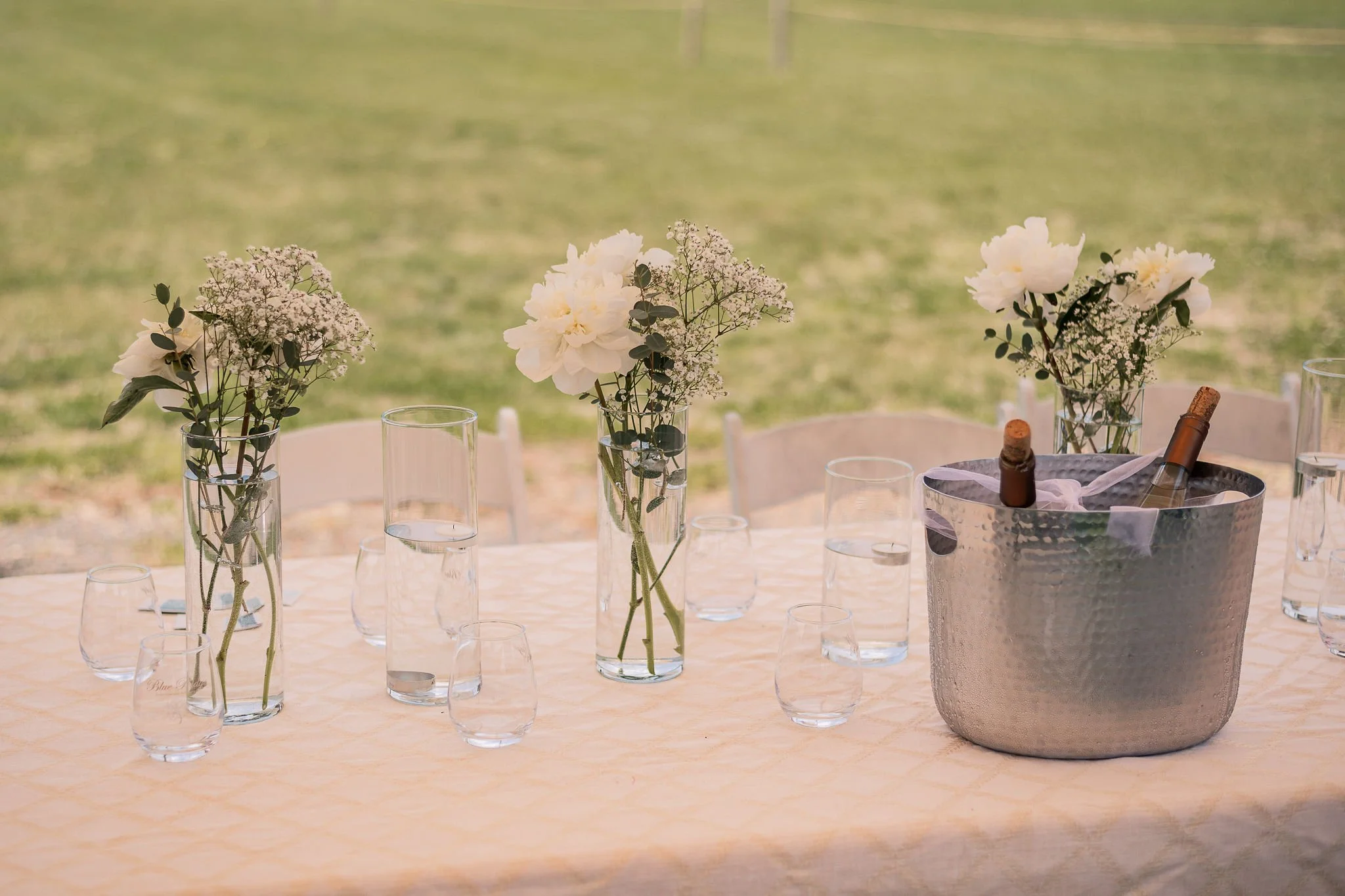
Vinyard proposal photography for a past clients | Photo credits: Courtney Castaldi Photography
2. Access to "Unobtainable" Venues
Trying to find a venue in the USA that allows open flame (for the Havan) and fits 500 people often limits you to large hotel ballrooms.
The Micro-Advantage: A smaller guest list unlocks the doors to historic libraries, rooftop gardens, intimate vineyards, and cliffside estates that physically cannot hold a massive crowd.
The Experience: Instead of a generic ballroom carpet, you could be taking your Pheras in a sunken garden at a historic mansion in Newport or a private art gallery in SoHo.
3. The "Bespoke" Budget reallocation
There is a misconception that a micro-wedding is a "budget wedding." In the luxury market, it’s actually about reallocation.
The Micro-Advantage: You might spend the same total amount as a large wedding, but the "Cost Per Head" skyrockets.
The Experience: That money goes into hyper-customized details. We’re talking about hand-calligraphed menus on silk scrolls, custom-built furniture instead of rental chairs, and live entertainment that feels like a private concert rather than a distant stage show.
4. Actually Talking to Your Guests
At a standard Indian wedding, the couple spends 90% of the night on a stage smiling for photos with people they barely know.
The Micro-Advantage: At a micro-event, the stage is often gone. You are sitting at a long, King’s Table with your family.
The Experience: You actually get to eat. You get to have real conversations. You create memories with the people who actually matter to your daily life, rather than performing for a community audience.
5. Safety and Sanity
Post-pandemic, the definition of "comfort" has changed. Many elders are still wary of massive, crowded indoor spaces.
The Micro-Advantage: A smaller event feels safer and more controlled. It creates a "bubble" of intimacy where guests can relax and let their guard down.
The Experience: Less noise, less chaos, and a timeline that flows organically rather than being driven by the herd management of hundreds of people.
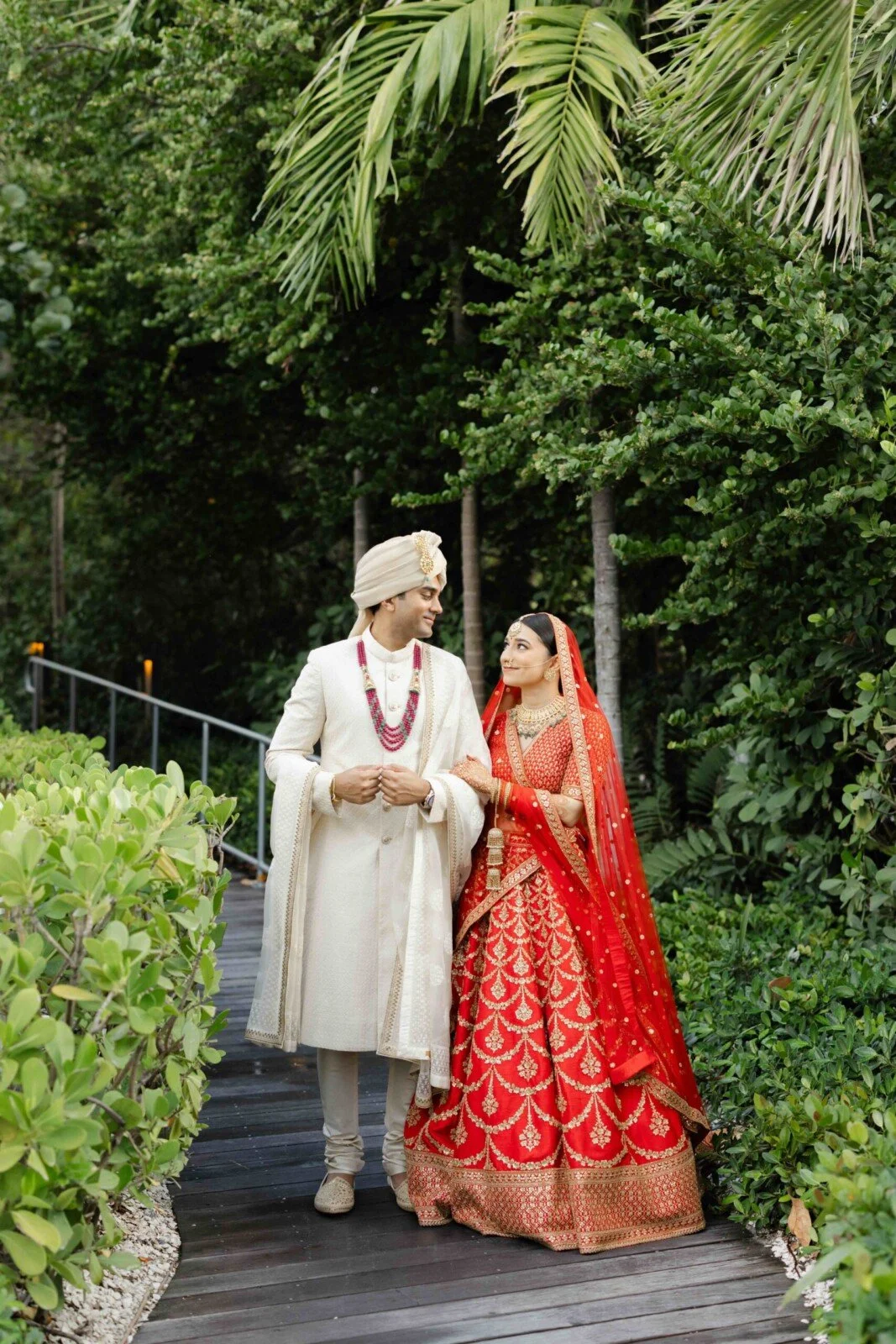
Photo credits: Melanie Morfa Photography
Conclusion: Quality Over Quantity
The rise of the micro-event isn't a rejection of Indian culture; it's an evolution of it. It prioritizes the core tenet of Desi hospitality: treating your guest like a God (Atithi Devo Bhava). And it is much easier to treat 50 people like Gods than 500.