
How to Choose the Right Photographer for a Cultural Wedding
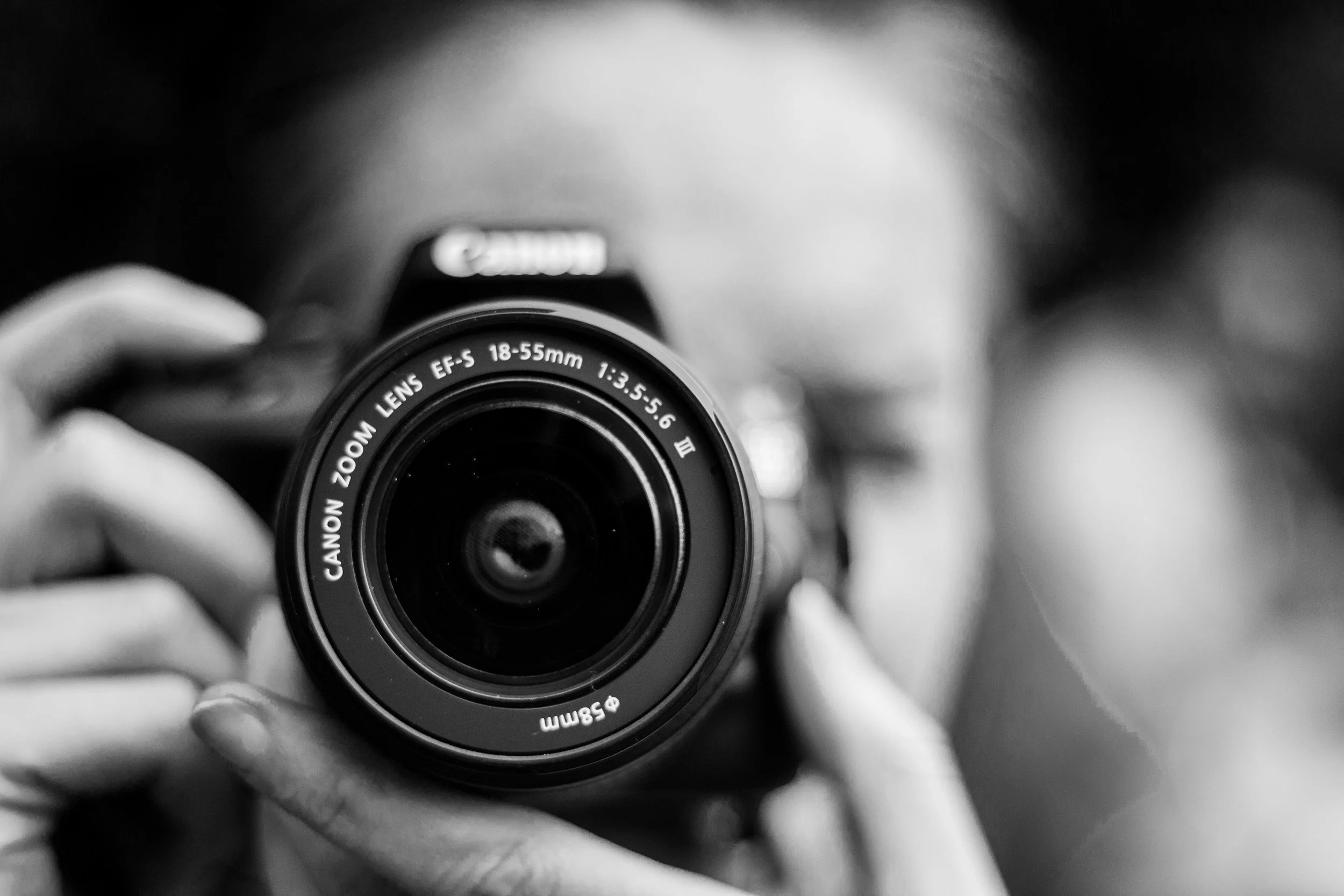
Photo credits: Unsplash Stock Images
The "Missed Moment" Nightmare: Why Good Lighting Can't Fix Cultural Ignorance
Imagine this: It is the most sacred moment of your Hindu ceremony—the Mangalsutra is being tied. The priest is chanting, your parents are tearing up, and the emotions are high. But where is your photographer? They are standing on the wrong side of the Mandap, blocked by a pillar, because they didn't know this 30-second ritual was the climax of the entire wedding. They got a great shot of the fire, but they missed the marriage.
In the world of cultural weddings, technical skill isn't enough. You don't just need someone who understands ISO and aperture; you need someone who understands Ritual and Timing. A South Asian wedding is a fast-paced, chaotic, color-filled marathon. If your photographer doesn't speak the visual language of your culture, no amount of editing can save the album. Here is how to choose a photographer who captures not just the look, but the soul of your big day.
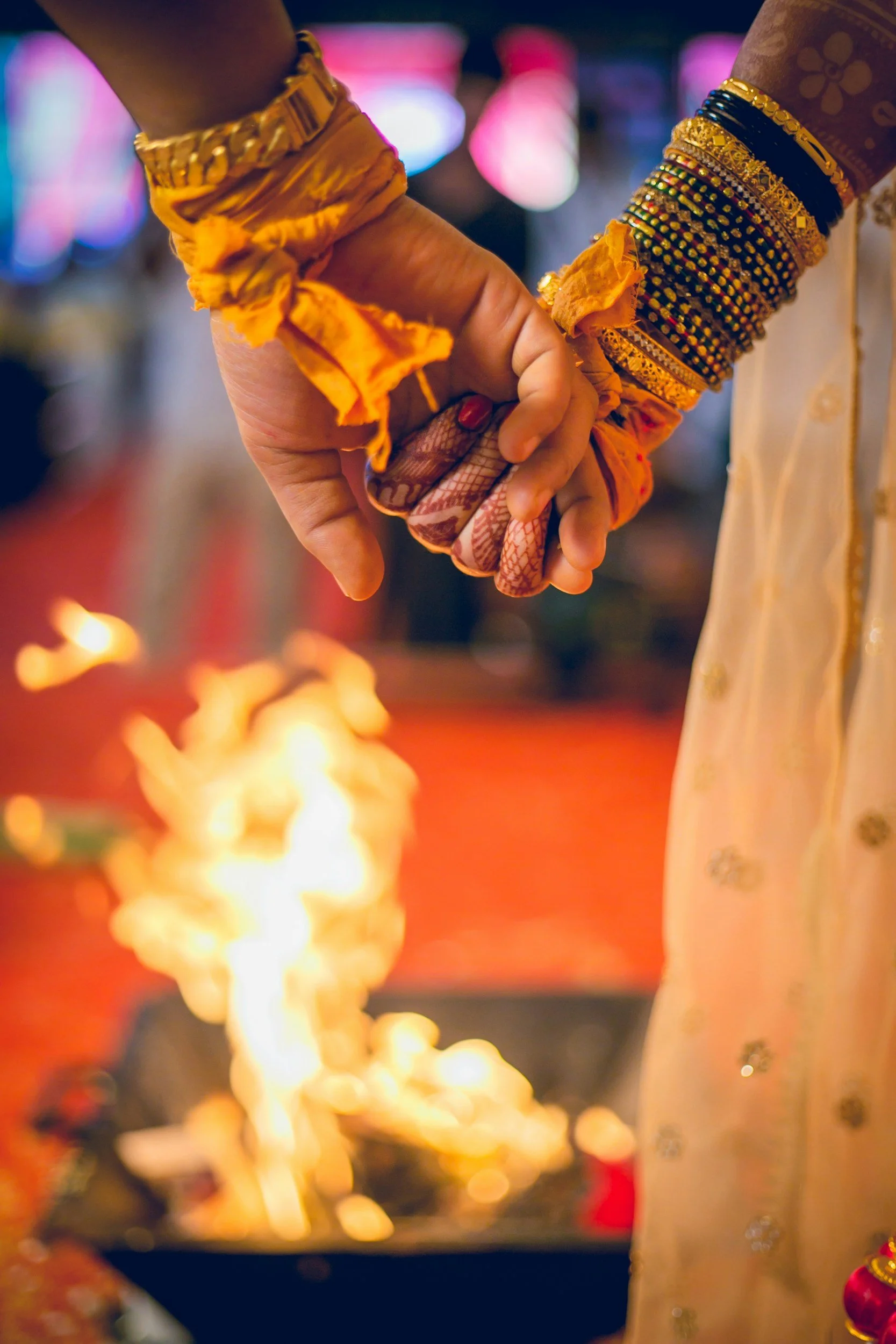
Photo credits: Stock photography.
1. The "Ritual fluency" Test
The biggest difference between a standard wedding photographer and a specialized Indian wedding photographer is anticipation.
The Question to Ask: "Walk me through a typical South Asian ceremony. What are the key moments you prioritize?"
The Green Flag: They should mention specific terms like Kanyadaan, Saptapadi (Pheras), or Vidaai. They need to know that the Vidaai isn't just the bride getting in a car—it’s the emotional goodbye with her parents that happens minutes before.
Why It Matters: A photographer who knows the flow will position themselves perfectly before the moment happens, rather than scrambling to catch up.
2. Can They Handle the "Auntie Paparazzi"?
At any Desi wedding, there are at least 50 guests with iPhones (and sometimes iPads) standing in the aisle trying to get the shot.
The Skill: You need a photographer who is assertive yet respectful. They need to know how to politely ask Uncle-ji to sit down without causing a scene, or how to shoot around the crowd without missing the couple.
The Check: Ask to see candid shots of the ceremony, not just the posed portraits. Do the angles look clean, or do you see the back of heads?
3. Lighting: From Mandap Fire to Reception Strobes
Indian wedding lighting is notoriously difficult. You might have a morning ceremony with harsh outdoor sun, followed by a dark, moody reception hall with purple uplighting.
The Challenge: Many photographers struggle with skin tones under colored DJ lights or bright red Mandap drapes (which can cast a red glow on faces).
The Solution: Look specifically at their reception portfolio. Do the skin tones look natural, or do the people look washed out or orange? Ask if they bring off-camera flash setups to light large ballrooms.
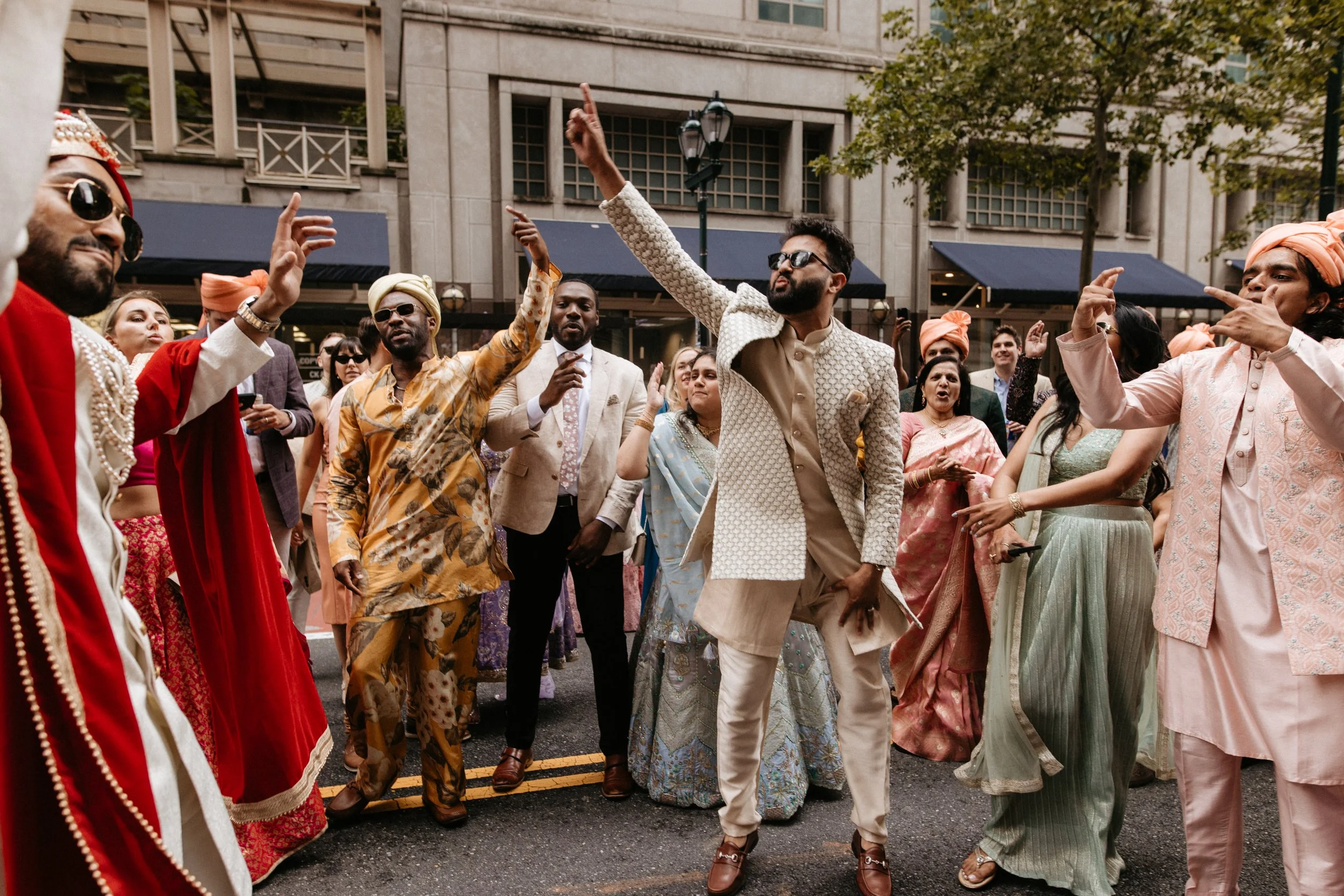
Photo credits: Tori Kelner Photography
Venue: Loews Hotel Philadelphia
4. The Marathon Stamina
A Western wedding might last 8 hours. A South Asian wedding can span 3 days and 16-hour shifts.
The Reality: By hour 14, a non-specialist might be dragging their feet, missing shots because they are exhausted.
The Requirement: Ask about their team size. For a 300+ guest wedding, a single shooter is a recipe for disaster. You typically need a lead shooter, a second shooter (for reaction shots), and an assistant to manage lighting and gear.
5. Personality: The "Third Wheel" Factor
You will spend more time with your photographer on your wedding day than with your spouse, your parents, or your best friends.
The Vibe Check: Do you actually like them? Are they calm under pressure?
Why It Matters: If you are stressed, it shows on your face. A great photographer acts as a grounding presence, cracking a joke when the schedule runs late or calming you down when the zipper gets stuck. If their energy clashes with yours, it will dampen your mood.
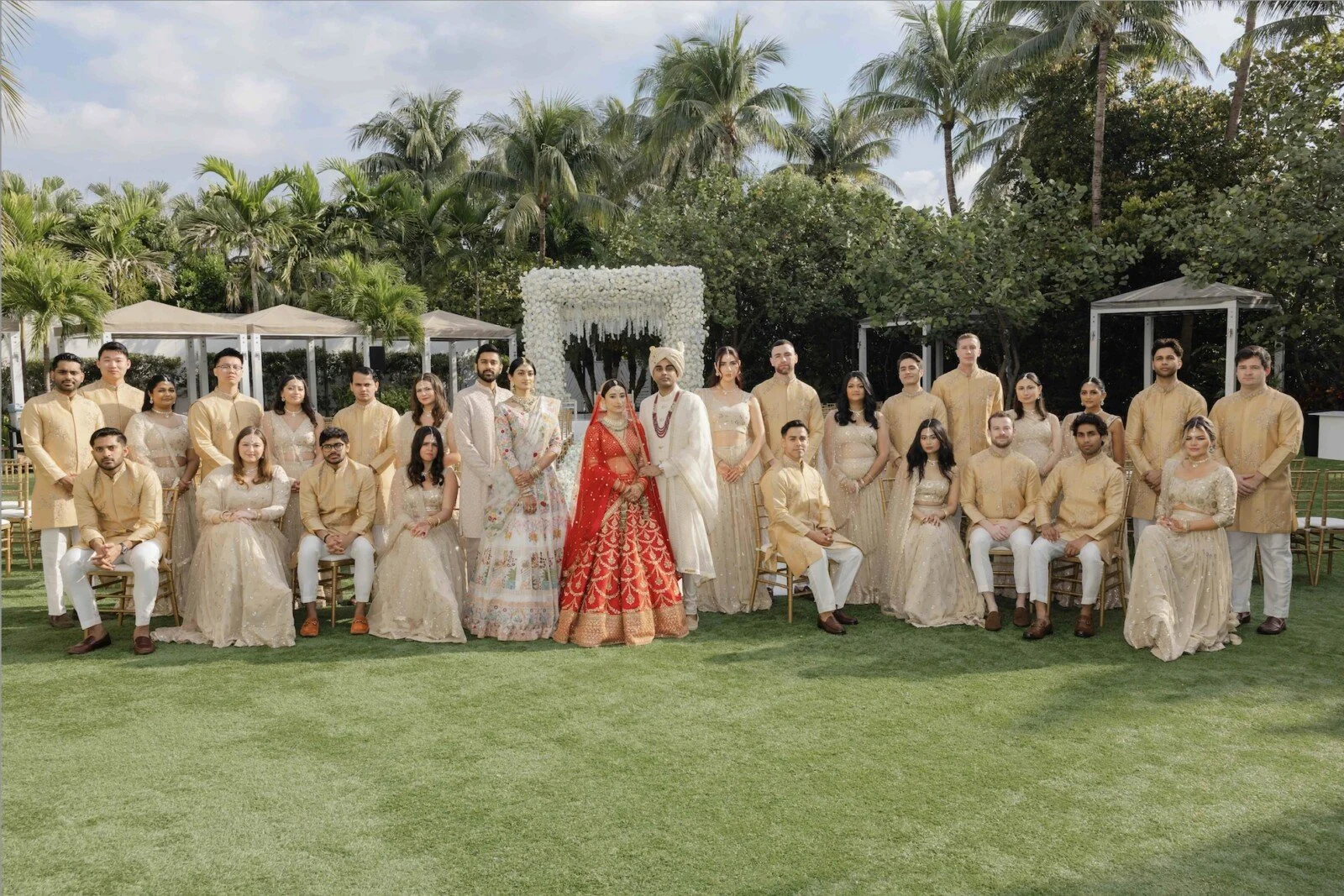
Photo credits: Melannie Morfa Photography
Wedding planner: Tum Hi Ho Events
Venue: Loews Miami Beach Hotel | IG: @loewsmiami
Decorator: Petal Productions | IG: @petalprod
Conclusion: Investing in Legacy
Your decor will be dismantled, and the food will be eaten, but your photos are the heirloom you pass down to your grandchildren. Don't risk your legacy on someone who treats your culture as a novelty. Hire someone who respects the weight of the traditions they are capturing.