
Fusion Weddings 101: Expert Advice from Indian Wedding Planners
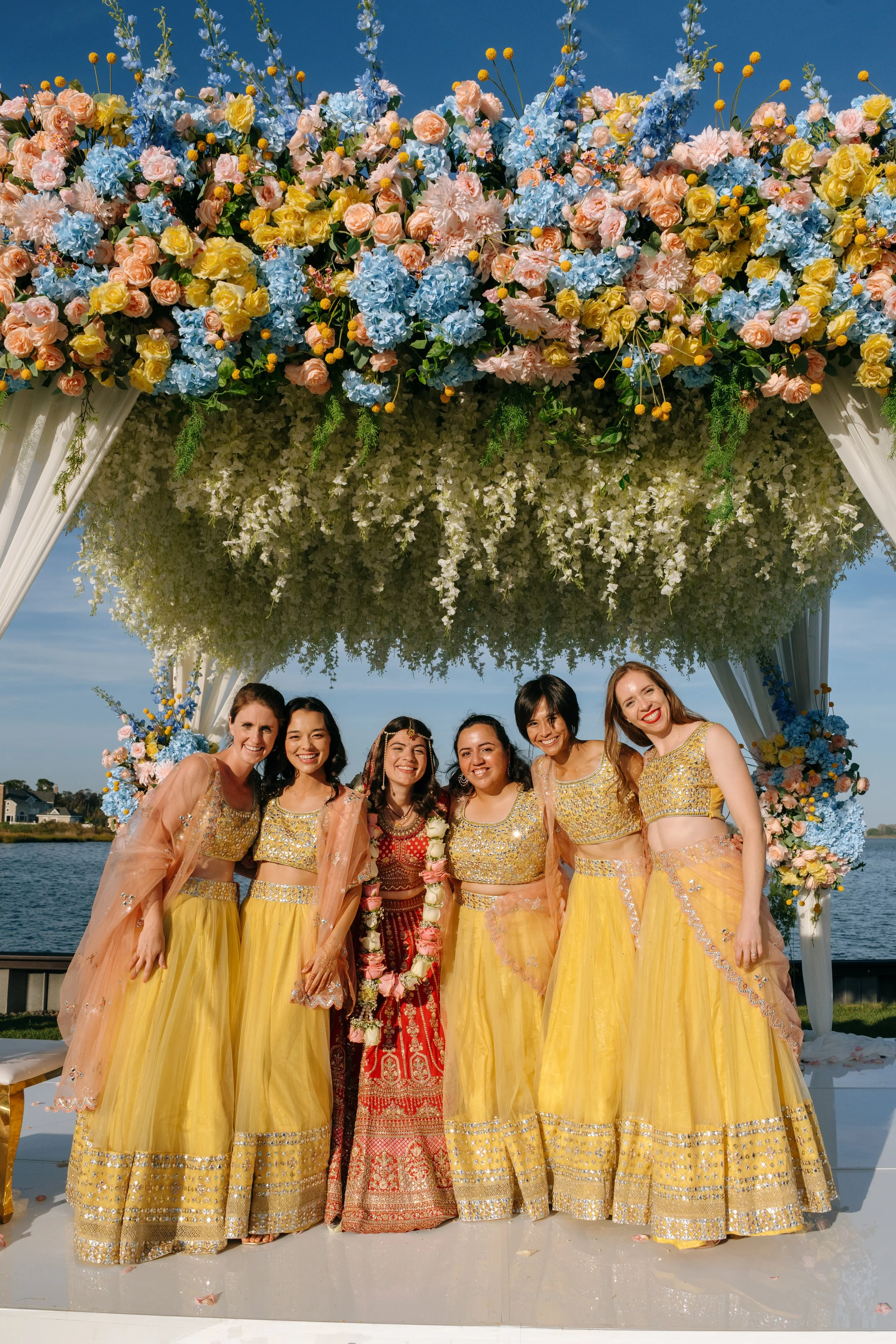
Photo credits: Jesslyn Maccartney
"So... Do We Walk Around the Fire or Say 'I Do' First?"
Picture this: One side of the aisle is wearing Kanjeevaram sarees and expecting a 4 AM sunrise ceremony. The other side is in tuxedos, waiting for a 5 PM church service followed by cocktails. You are stuck in the middle, trying to figure out how to fit a Saptapadi, a ring exchange, a Gospel choir, and a Dhol player into one day without causing a diplomatic incident between your in-laws.
Welcome to the beautiful, complex world of Fusion Weddings. Whether it’s Hindu-Catholic, Sikh-Jewish, or Muslim-Christian, planning a multicultural wedding is an act of diplomacy. It’s not just about blending two people; it’s about blending two histories, two families, and often, two very different ideas of what a "wedding" looks like. We spoke to top Indian wedding planners to get the 101 on how to merge your worlds without losing your sanity.
1. The Ceremony Dilemma: Two Events vs. The "Mash-Up"
The biggest logistical hurdle is the ceremony itself. Do you do both? Do you create one hybrid?
The "Double Header": Many couples opt for two distinct ceremonies on the same day (e.g., a morning Hindu ceremony and an afternoon Western vow exchange).
Planner Advice: “If you do two ceremonies, you MUST have a significant gap in between for lunch and outfit changes. Do not starve your guests. If the Hindu ceremony ends at 11 AM, feed them lunch before the 3 PM Christian ceremony.”
The "Hybrid": Creating a single ceremony that incorporates rituals from both faiths.
Planner Advice: “Hire an officiant who specializes in interfaith unions. They can weave the vows and the Pheras together seamlessly so it feels like one cohesive story rather than a disjointed checklist.”
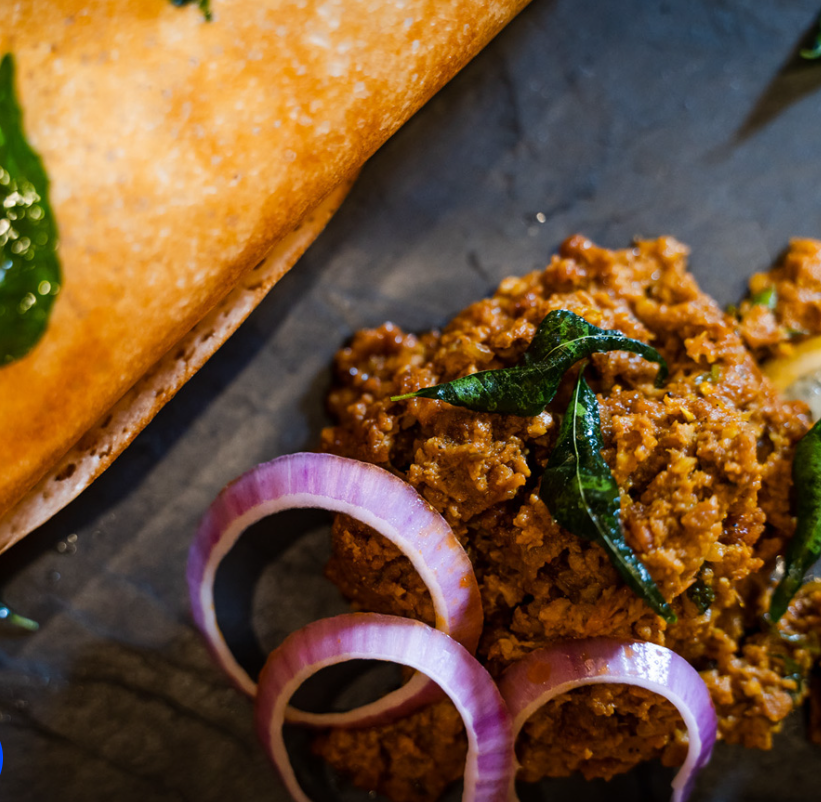
Image credits: Moghul Caterers (New Jersey-based caterers)
2. The Fusion Menu: Tacos and Tandoori
Food is often the easiest (and most delicious) place to bridge the gap.
The Strategy: Avoid the "Split Buffet" where one side is Italian and the other is Indian. Instead, aim for fusion cuisine that represents your union.
Menu Ideas:
Butter Chicken Mac and Cheese balls (Comfort food meets spice).
Paneer Tikka Tacos with cilantro crema.
Gulab Jamun Cheesecake for dessert.
Planner Advice: “Always label everything clearly. Your non-Desi guests need to know spice levels, and your Desi guests need to know if there is beef or pork on the table.”
3. Fashion Logistics: The "Quick Change" Artist
Fusion weddings often mean multiple outfits. You might want a White Dress for the vows and a Lehenga for the reception.
The Reality: Changing hair, makeup, and jewelry takes longer than you think.
Planner Advice: “Hire a dedicated bridal stylist or draper. When you are switching from a heavy dupatta to a gown, you don't have time to fumble with safety pins. A professional can get you changed in 20 minutes versus the hour it takes your mom.”
4. The "Length" Conversation
Western weddings are often 5-6 hours total. Indian weddings can last 3 days. This creates a culture shock for the non-Desi side.
The Strategy: Communication is key.
Planner Advice: “Create a detailed wedding website with a 'What to Expect' FAQ. Explain to your college friends that the Baraat is an outdoor parade, so stiletto heels might not be the best choice. Prepare them for the length of the Hindu ceremony so they don't get restless.”
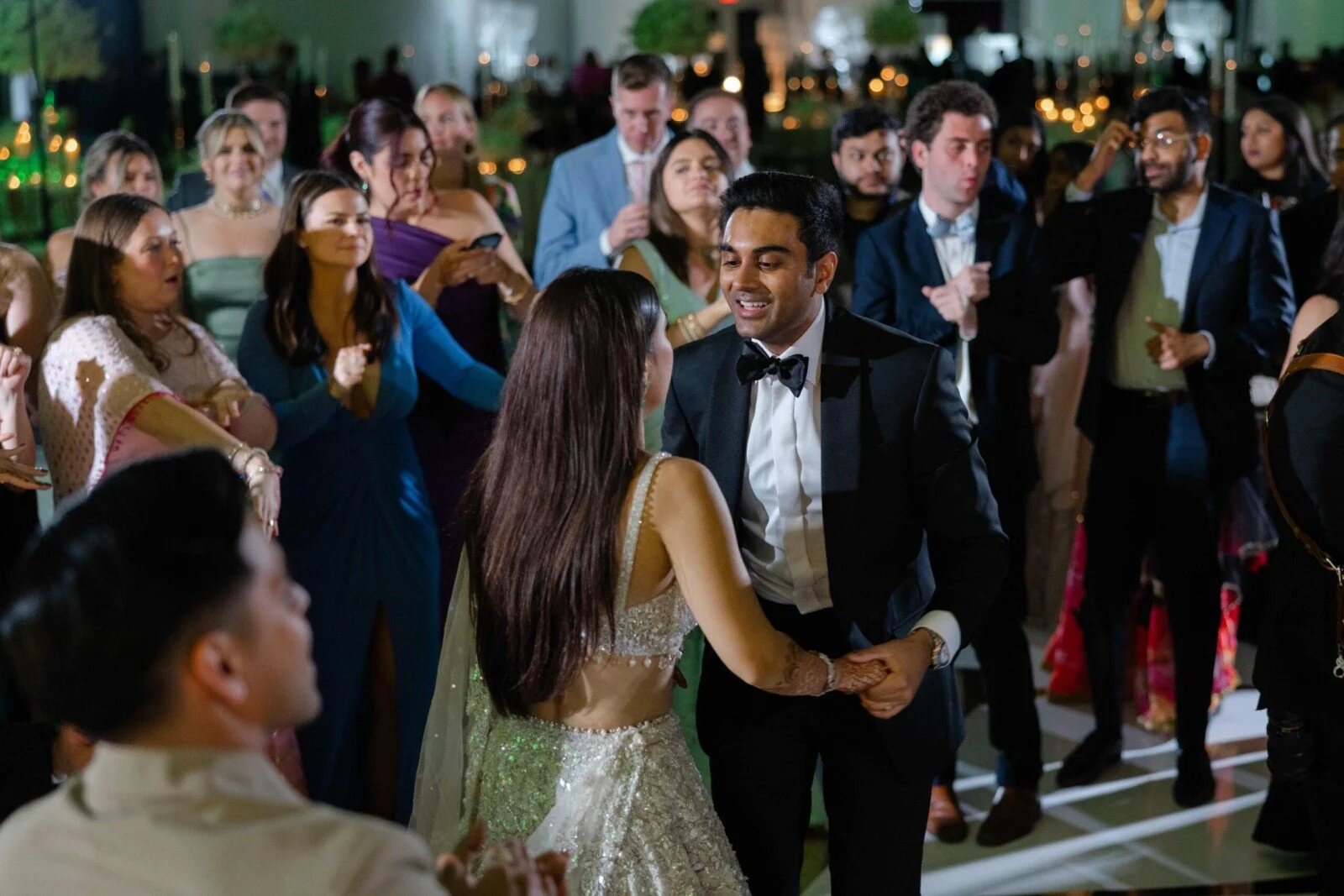
Image credits: Stock images
5. The Dance Floor Diplomacy
Music makes or breaks the party. You want Bhangra, but you also want Top 40 and Old School Hip Hop.
The Solution: The DJ is the most important vendor at a fusion wedding.
Planner Advice: “Do not hire a DJ who only knows one genre. You need a true open-format DJ who can mix Drake into Diljit Dosanjh without clearing the dance floor. Ask for mixtapes before you book to ensure they understand transitions.”
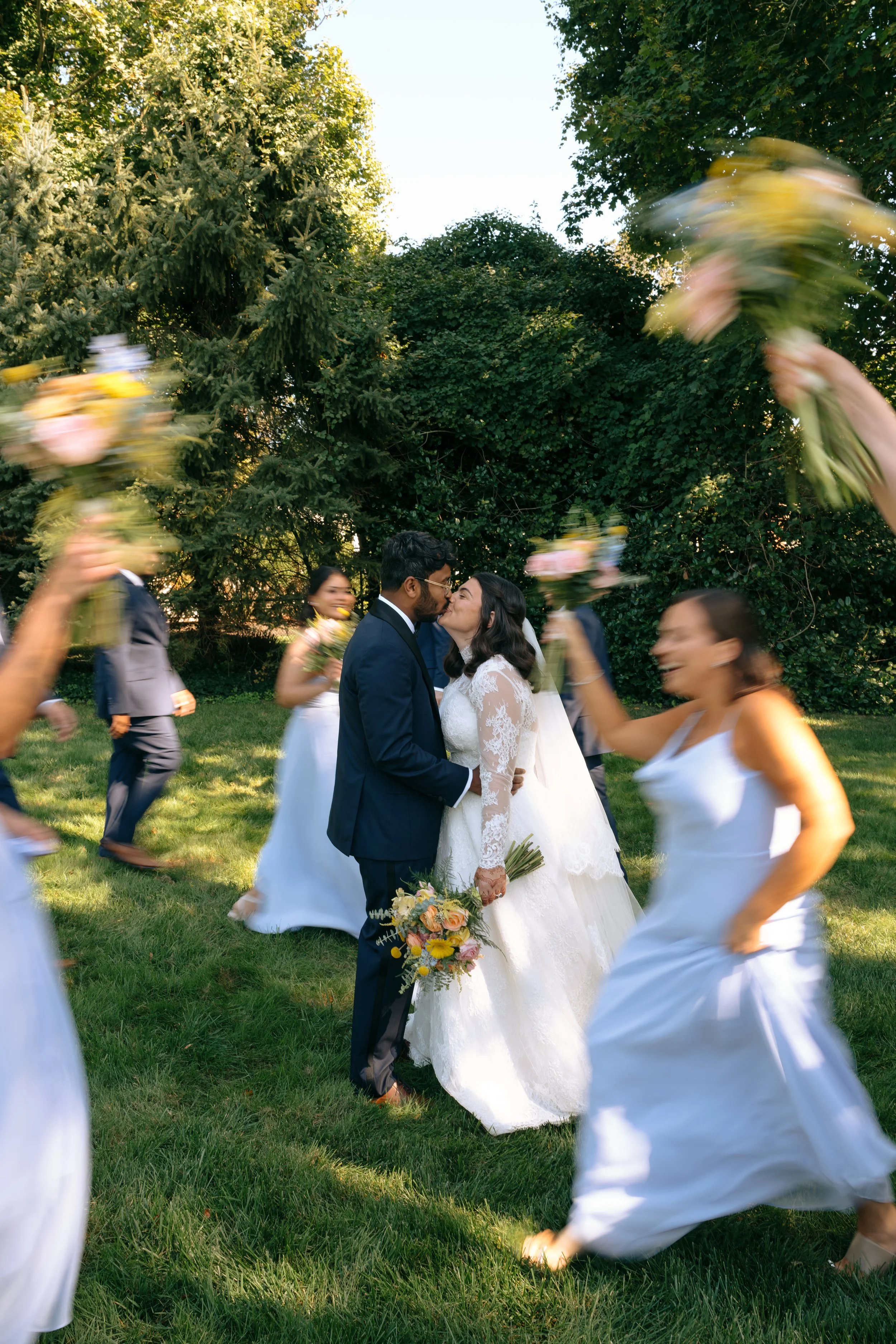
Photo credits: Jesslyn Maccartney
Conclusion: A New Tradition
A fusion wedding isn't about compromising; it’s about creating something entirely new. It is a visual representation of the future you are building together. When you look out and see your grandma dancing with his uncle to a Bollywood beat, you’ll realize the stress was worth it.