
Tips for Managing Guest Travel for Multi-Day Indian Weddings

Image credits: One of our 2025 Wedding Clients!
Planner: Tum Hi Ho Events (us!)
Photographer: Tori Kelner Photography - Philadelphia brand photography
Venue: Loews Hotel Philadelphia.
The "Missing Baraati" Crisis: Why Your Wedding Timeline is Only as Good as Your Shuttle Schedule
The groom is sitting on the white horse, adjusting his turban. The Dhol players are warmed up and ready to drop the beat. The photographer is in position. There is just one massive problem: half of the groom's family is currently stuck on a shuttle bus that went to the Courtyard Marriott instead of the JW Marriott. The Baraat is stalled, the auspicious Muhurtham time is ticking away, and the bride's parents are starting to panic.
When you are planning a multi-day Indian wedding, you aren't just a bride or groom; you are essentially a travel agent for 300 of your closest friends and relatives. Between out-of-town arrivals, hotel check-ins, and moving massive crowds from a Sangeet hall to a Gurdwara and back, wedding guest travel logistics can easily become the most stressful part of your weekend. If you want to keep your sanity and your timeline intact, here are expert tips for managing guest travel like a pro.
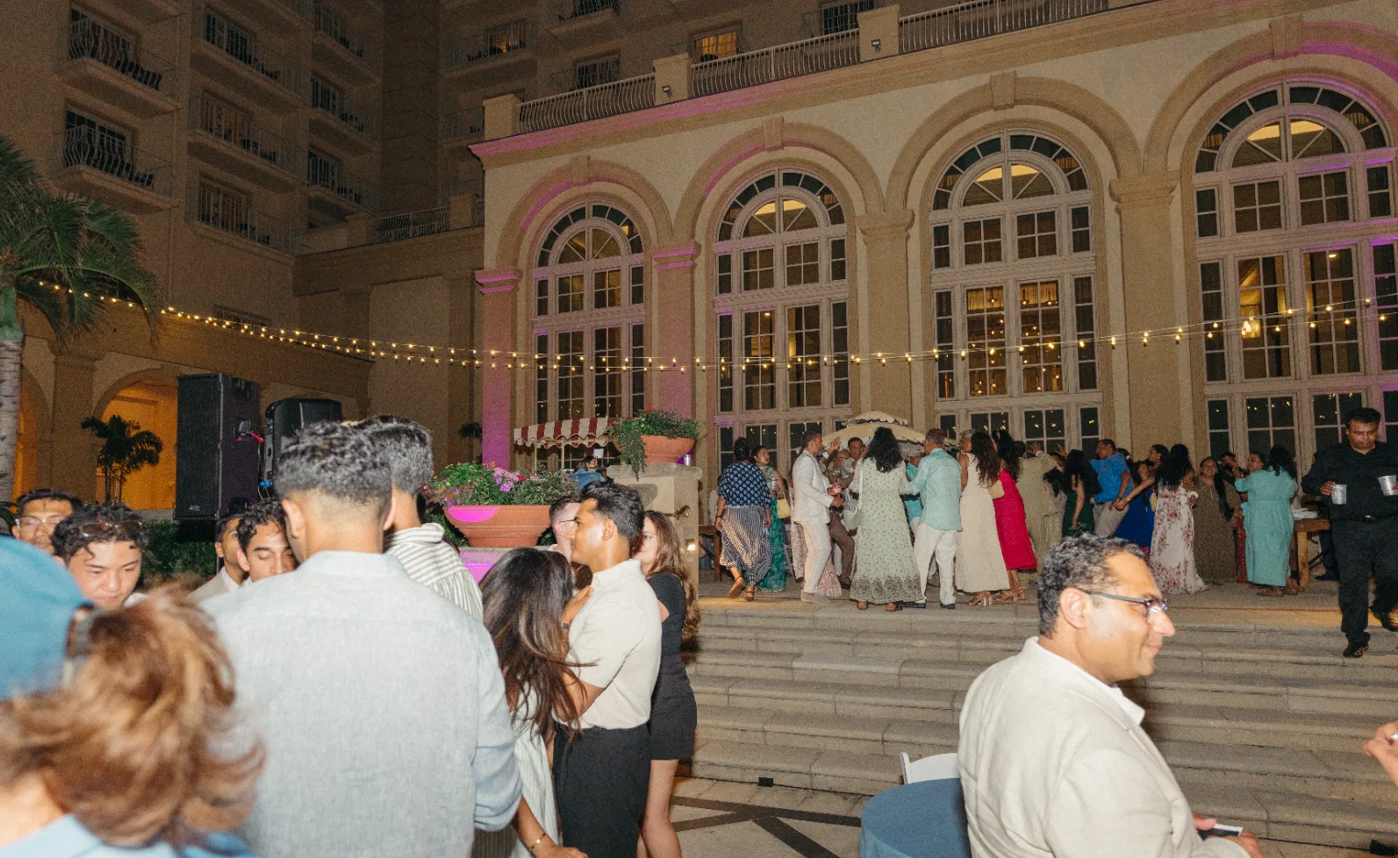
Image credits: One of THH’s 2026 Destination wedding clients!
Photography credits: SK Visualography | @Skvisualography
Venue: The Ritz-Carlton (Naples, Florida) @Ritzcarltonresortsofnaples
Decor: Abhshek decorators | @Abhshekdecorators
Planner: Tum Hi Ho Events (Us!) | @tumhihoevents
1. The Strategic Hotel Block (Keep the Herd Together)
The biggest mistake couples make is letting guests book their own hotels scattered across the city.
The Strategy: Secure a robust room block at one central hotel (or two adjacent hotels with different price tiers).
Why it Works: When 90% of your guest list is in one building, transportation becomes infinitely easier. You only have to dispatch shuttles to one location, you can easily distribute welcome bags at a single front desk, and guests naturally mingle in the lobby, creating a festive "wedding village" atmosphere before the events even start.

Image credits: Stock photography via Unsplash
2. The "Desi Standard Time" Shuttle Buffer
Never, ever trust Google Maps when you are moving 200 Indian wedding guests.
The Strategy: If the drive from the hotel to the wedding venue is 20 minutes, schedule the shuttles to depart 45 minutes to an hour early.
Why it Works: Loading a bus takes time. Aunties need to find their friends, uncles are finishing their chai, and someone always forgets their room key. Padding your shuttle schedule protects your formal timeline and ensures the Baraat or ceremony actually starts on time.
3. Establish a "No-Fly Zone" for the Couple (Hire a Dispatcher)
Your phone should not be ringing at 8:00 AM on your wedding day because your cousin can't find the airport Uber pickup zone.
The Strategy: You must have a dedicated Point of Contact (POC) for travel. This is where a South Asian wedding planner or day-of coordinator is worth their weight in gold. If you don't have a planner, assign a highly organized cousin or family friend to run the "Hospitality Desk."
Why it Works: It protects the couple's peace. Put the POC's phone number on the wedding website and in the welcome bags under the bold heading: "Travel Emergency? Call [Name], NOT the Bride!"
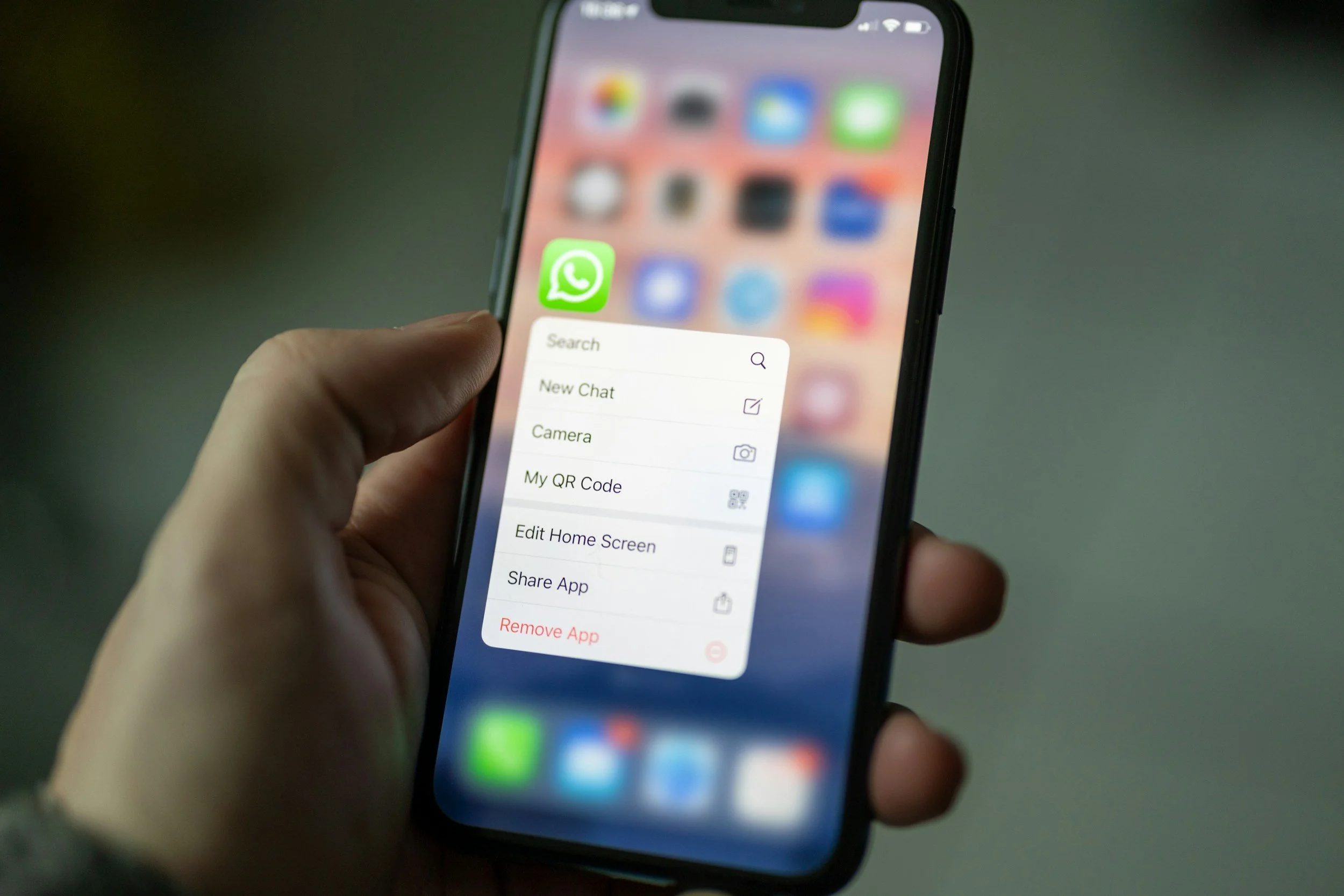
Image credits: Stock photography via Unsplash
4. Over-Communicate: The WhatsApp Broadcast Strategy
Printed itineraries in welcome bags are beautiful, but they often get left in the hotel room. You need to reach guests where they are: on their phones.
The Strategy: Create a WhatsApp Broadcast List (where you message everyone, but they reply only to you/your coordinator, avoiding a chaotic group chat).
Why it Works: You can send real-time updates. "Good morning! Shuttles for the Haldi leave the lobby in 15 minutes. See you there!" or "Reminder: The Baraat starts at 9:30 AM sharp at the South Entrance." It keeps everyone aligned and eliminates the excuse of "I didn't know."
5. Clear Airport & Arrival Logistics
The guest experience starts the moment they land at the airport.
The Strategy: Use your wedding website to over-explain arrival logistics. List the exact distance from the airport to the hotel, the estimated cost of an Uber/Lyft, and links to reputable local car services. If you have a massive VIP contingent arriving on the same flight, consider booking a private airport transfer just for them.
Why it Works: It removes travel anxiety for out-of-town guests and sets a tone of luxury and care before the wedding weekend officially kicks off.

Image credits: One of our 2025 Wedding Clients!
Planner: Tum Hi Ho Events (us!)
Photographer: Tori Kelner Photography - Philadelphia brand photography
Venue: Loews Hotel Philadelphia.
Conclusion: Smooth Rides Make Happy Guests
A flawless Indian wedding itinerary isn't just about what happens at the venue; it’s about how your guests get to the venue. By centralizing your hotel blocks, padding your transport times, and over-communicating the details, you ensure that your guests spend less time waiting for buses and more time celebrating you on the dance floor.
Frequently Asked Questions (FAQs)
-
In modern US-based and destination South Asian weddings, it is standard practice for guests to pay for their own accommodations. Your responsibility is to secure a discounted "Room Block" rate to make it more affordable for them. However, it is standard etiquette for the couple to cover the cost of all group ground transportation (like shuttle buses) between the main hotel and the wedding venues.
-
We highly recommend allowing local guests to use the shuttles as well, especially for evening events like the Sangeet and Reception. While locals might prefer to drive themselves to the morning ceremony, providing a shuttle for the evening ensures no one is drinking and driving, and it guarantees that all your guests arrive (and depart) at the exact times dictated by your wedding timeline.
-
Do not expect VIPs or elderly family members to navigate ride-share apps or standard airport shuttles after a grueling 15-hour international flight. Book a dedicated, private car service to meet them directly at baggage claim with a sign. It is a minimal expense that provides massive peace of mind and starts their weekend off with the utmost respect and care.
-
This is why your WhatsApp Broadcast List and printed itineraries are crucial. Clearly state that shuttles will depart promptly at the scheduled time. Also, always include the exact physical address of the venue and the estimated cost of an Uber/Lyft directly below the shuttle schedule. If they miss the bus, they have the information they need to quickly order a car and catch up to the Baraat!