
How to Educate Guests on Multi-Day Wedding Etiquette
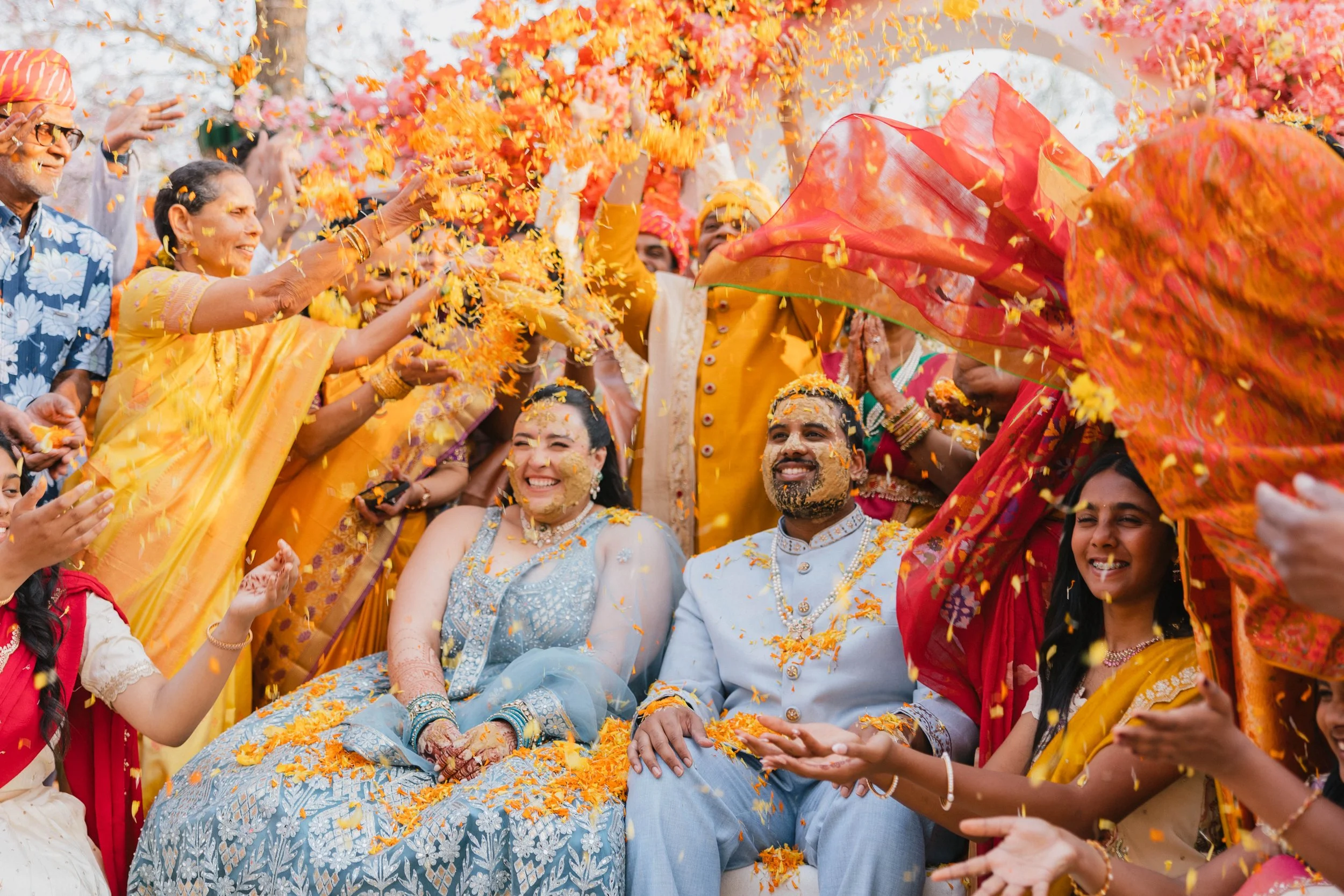
Image credits:
Photography: Paperboys | IG: @paperboysweddings
Planner - Tum Hi Ho Events
Venue - Omni Shoreham Hotel
How to Educate Guests on Multi-Day Wedding Etiquette: A Stress-Free Guide for Couples
Imagine stepping into a celebration where vibrant colors swirl, rhythmic beats fill the air, and fragrant spices invite you into a rich cultural story—only to realize you brought the wrong attire, arrived two hours early, or skipped a mandatory ritual because no one explained the schedule. For non-South Asian guests—or even family members attending their first traditional celebration—a multi-day South Asian wedding can feel as thrilling as it is overwhelming.
Between the vibrant Mehendi, high-energy Sangeet, sacred Pheras, and formal Reception, multi-day wedding etiquette isn't intuitive for everyone. As premier wedding planners executing luxury events from grand ballrooms in New Jersey and New York City to sun-drenched resorts in Florida, California, Texas, and destination spots across Mexico, we’ve learned that proactive communication is the single greatest secret to a seamless guest experience.
Here is your ultimate blueprint for educating guests on multi-day Indian wedding etiquette gracefully, clearly, and effortlessly.
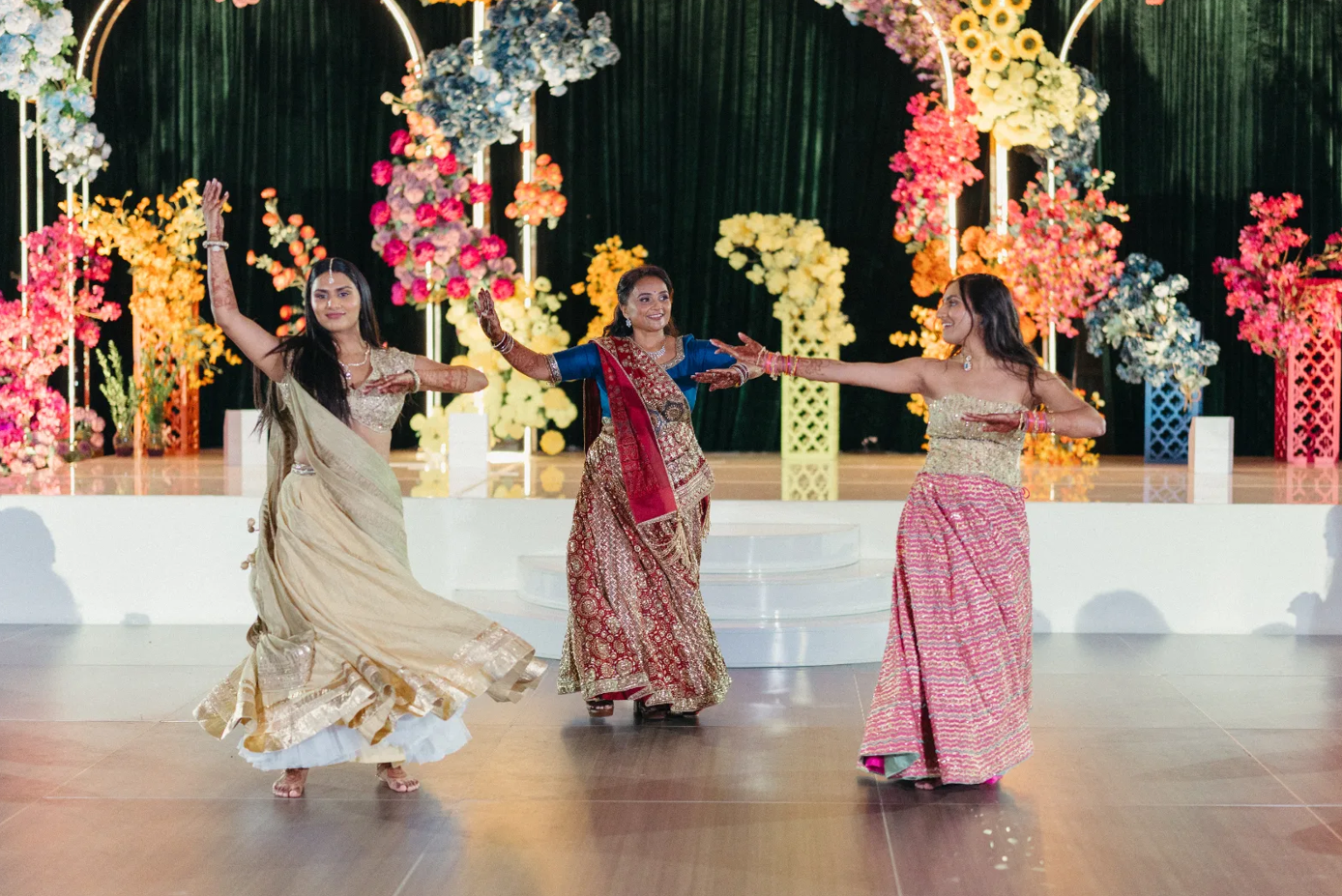
Image credits: An energizing Sangeet performance. Photo captured at a Destination Sangeet event in Naples, FL.
Photography credits: SK Visualography | @Skvisualography
Venue: The Ritz-Carlton | @Ritzcarltonresortsofnaples
Decor: Abhshek decorators | @Abhshekdecorators
Planner: Tum Hi Ho Events (Us!) | @tumhihoevents
Why Multi-Day Guest Education Matters More Than You Think
A multi-day Indian wedding isn't just an extended party—it's a multi-chapter cultural narrative. Each event carries its own unique dress code, emotional tempo, dietary expectations, and cultural significance.
Read more here: Demystifying Indian Wedding Rituals for Non-Desi Guests | Tum Hi Ho Events | Tum Hi Ho Events]
When guests feel uncertain about what to wear, when to arrive, or how to participate in customs like the Baraat (the groom’s celebratory procession), they often default to anxiety or hesitation. By taking a thoughtful approach to guest education, you:
Minimize confusion and late arrivals, keeping your weekend schedule running on time.
Empower guests to fully immerse themselves in traditions, dance floors, and ceremonial moments.
Reduce repetitive text messages and inquiries during your wedding week, allowing you and your family to stay present.
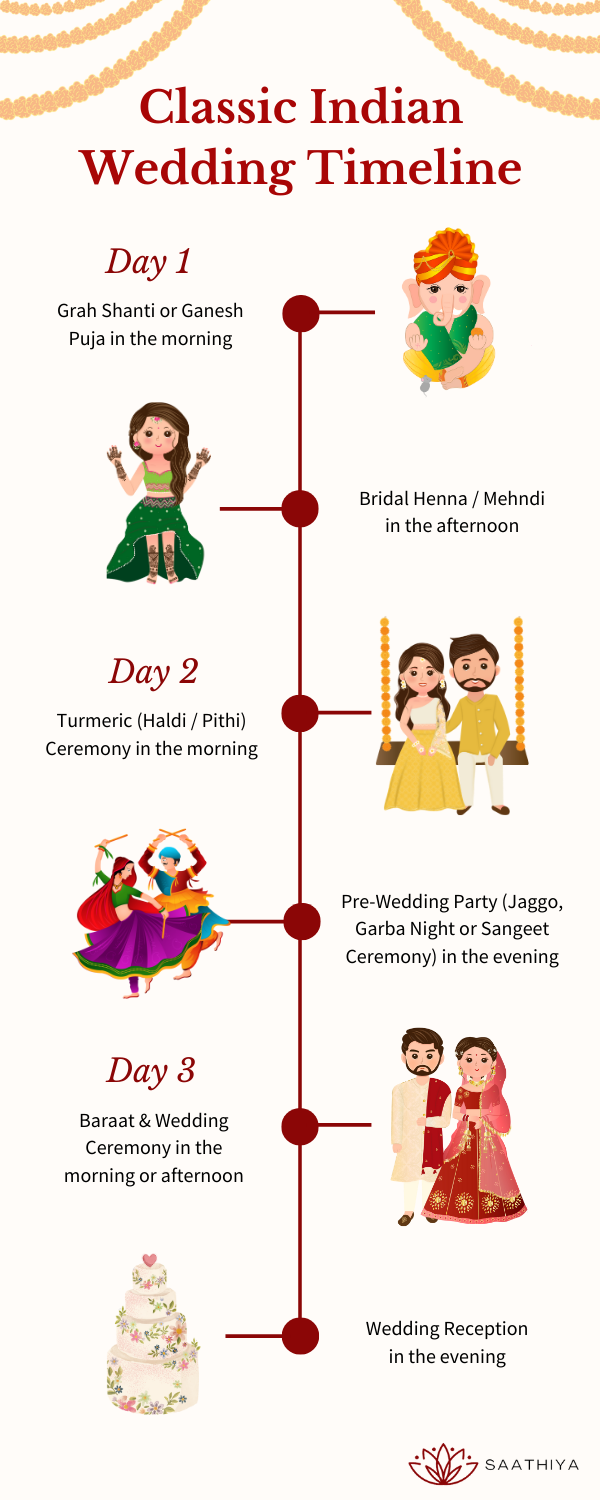
Image credits: Saathiya.co
3 Core Pillars of Guest Etiquette to Clarify Early
1. Decoding the Dress Code: Style, Colors, and Modesty
For many multi-day guests, deciding what to wear is the most daunting task. Traditional South Asian attire is gorgeous, but terms like Lehenga, Sherwani, Anarkali, and Kurta Set can feel unfamiliar to first-time attendees.
Be Explicit About Event Aesthetics: Don't just list "Festive Indian or Western Formal." Provide actionable context! For instance:
Haldi: Bright yellows, mustard, or sunny tones (comfort-first, as turmeric paste may splash).
Sangeet: Glamorous, jewel-toned, light-reflecting, and dance-friendly.
Pheras (Ceremony): Traditional or pastel attire. Pro-Tip: Note whether head coverings, shoulder coverings, or shoe removal are required for religious spaces.
Reception: Black-tie or formal evening wear—gowns, tuxedos, or heavy Lehengas and Sarees.
Clarify Color Taboos: Respectfully advise guests on traditional color nuances (e.g., avoiding solid white or solid black during solemn Hindu wedding ceremonies, reserving bright reds for the bride).
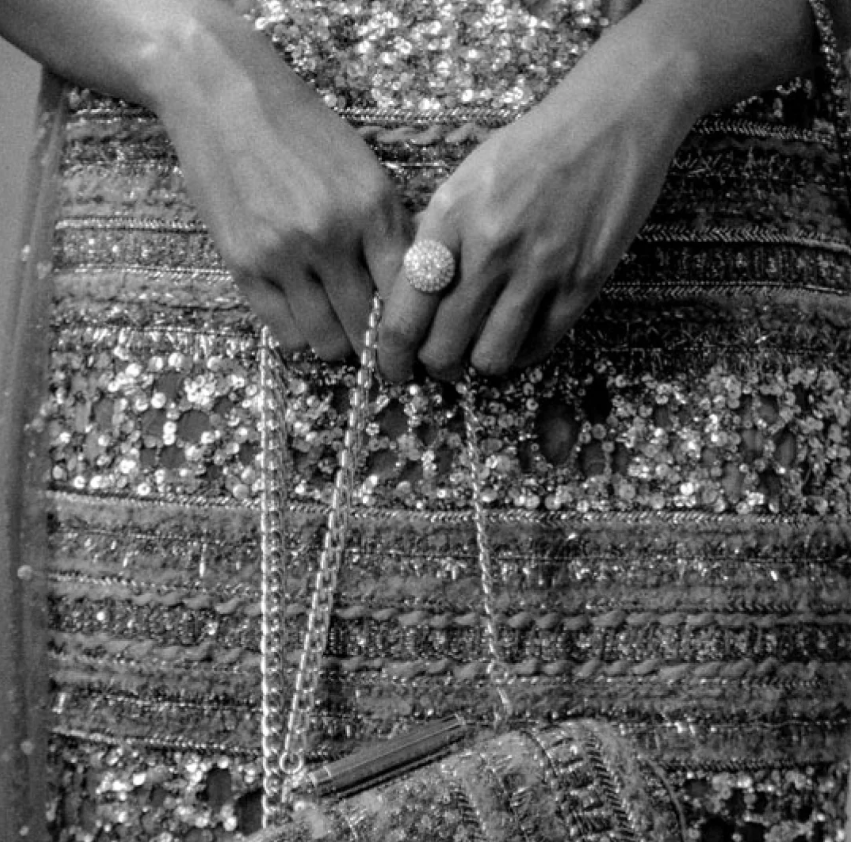
Image credits: For those who enjoy heritage wear with a modern twist - Sabyasachi contemporary wedding wear.
Read more here: Vogue Weddings - A Complete Guide to Indian Wedding Etiquette
2. Demystifying Event Timelines & "Indian Standard Time"
Cultural celebrations are famous for their lively, unhurried pacing. However, when coordinating venue contracts across top venues—whether at a historic estate in Pennsylvania, a luxury NYC hotel, or a beach beachfront in Riviera Maya, Mexico—timing matters.
Set Clear Expectation Markers: Clearly state the difference between doors opening, ritual start times, and main highlights.
Explain the Baraat: Tell guests that the Baraat is an outdoor dance party procession where the groom arrives, usually lasting 45 to 60 minutes. Encourage everyone to wear comfortable shoes and arrive promptly so they don't miss out on the energy.
3. Gift Etiquette & Traditional Blessings (Shagun)
Guests often wonder: Do I bring a gift to every single event?
Clarify Gift Traditions: Reassure guests that physical gifts are typically not expected at every pre-wedding event.
Explain Shagun (Monetary Gifts): Mention that boxed gifts are usually discouraged on event days for logistics reasons, and that boxed monetary blessings (Shagun or registry contributions) are customary.
Where and How to Communicate Etiquette: The Touchpoint Strategy
Effective communication requires spreading information across multiple touchpoints so guests receive the right details at the right time.
1. The Wedding Website: Your Command Center
Your wedding website is the primary destination for comprehensive guides. Create a dedicated "Culture & Etiquette" page on your site containing:
A visual mood board or Pinterest link with example outfits for both men and women.
A "South Asian Wedding Glossary" explaining terms like Mandap, Milni, Jai Mala, and Pheras.
Recommendations for local or online rental shops (e.g., platforms where guests can rent traditional outfits).
2. Printed Invitation Inserts & Digital Guides
While your main invitation card showcases elegance, an enclosed "Details Card" or digital PDF guide can outline the weekend schedule at a glance. Include a QR code directing guests straight to your online dress code guide.
3. Destination-Specific Welcome Bags
If you’re hosting a resort wedding in Cabo San Lucas, a beach retreat in South Florida, or a wine-country weekend in California, your welcome bag is the perfect place for a final, tangible reminder. Include a sleek, pocket-sized itinerary card that summarizes start times, dress codes, shuttle schedules, and venue nuances.

Image credits: Stock photography via Unsplash
Regional Considerations for Multi-Day Logistics
The geographical setting of your wedding dictates how you frame logistics and guest communication:
NYC & New Jersey Metro Area: City venues often involve tight parking constraints or strict venue turnaround times. Remind guests to factor in transit times and valet waits when moving between morning ceremonies and evening receptions.
Pennsylvania & Tri-State Country Estates: Spread-out properties require clear directional signage and shuttle schedules so guests can navigate between indoor mandaps and outdoor cocktail hour spaces.
Texas, Florida & California Resorts: Sunny, warm climates demand dress code notes on breathability, sun protection, and shoe choices (e.g., block heels for lawn events).
Mexico & Caribbean Destinations: Tropical destination weddings need explicit notes regarding humidity, footwear for sand ceremonies, and passport/customs timelines.
Frequently Asked Questions (FAQs)
-
Guests are encouraged to wear vibrant, festive Indian attire such as a Lehenga, Anarkali, or Kurta Set. If guests prefer Western wear, colorful cocktail dresses, embellished gowns, or sharp suits with a pop of color are fantastic choices. Comfort is key, as the Sangeet revolves around dancing!
-
No. Guests do not need to bring a gift to every event. Typically, one main wedding gift or monetary contribution (Shagun) for the couple is given during the wedding ceremony or reception.
-
It is best to avoid wearing solid red (traditionally reserved for the Hindu bride) and solid black or plain white during religious morning ceremonies, as these colors hold specific ceremonial connotations in traditional Hindu customs. Bright colors, pastels, and jewel tones are always welcomed.
-
Guests should aim to arrive 15 to 30 minutes before the stated Baraat start time on the invitation. Arriving on time ensures you can join the procession, enjoy the music and dancing, and take your seat before the religious ceremony begins.