
Tips for Managing Dietary Restrictions at Indian Weddings

Image credits: Pinterest.
The "Hungry Guest" Nightmare: Why a 50-Item Buffet Can Still Leave Guests Starving
Imagine this: The buffet line stretches for miles, the intoxicating aroma of rich makhani sauces and sizzling tikkas fills the ballroom, and the energy is electric. But in the corner stands your college roommate, clutching a protein bar from her purse because she’s terrified to take a bite. Why? Because the "vegetable korma" is swimming in ghee (a vegan no-no), and the garnishes on the biryani look suspiciously like cashews (a nut allergy nightmare).
In Indian culture, Atithi Devo Bhava (the guest is God) is the golden rule. But if your guests are terrified of an allergic reaction or simply can't find anything that aligns with their lifestyle, that hospitality falls short. Managing dietary restrictions at an Indian wedding—famous for its dairy-heavy, nut-rich, wheat-laden cuisine—can feel like navigating a minefield. But with a little planning, you can ensure every guest feasts like royalty.
Image credits: Stock images.
1. The RSVP Card is Your First Line of Defense
Don't wait until the Sangeet to find out your boss is gluten-free. The battle against dietary mishaps begins with the invitation.
Be Specific: Instead of a generic "Dietary Restrictions" line, include checkboxes for common issues: "Vegetarian," "Vegan," "Gluten-Free," "Jain," "Nut Allergy."
Digital Tools: If you’re using a wedding website (like Zola or The Knot), use their RSVP features to force guests to answer food questions before they can submit their response. This gives you a hard data set to hand to your chef.
2. The "Hidden Ghee" and "Secret Nut" Trap: Talk to Your Caterer Early
Indian food is notorious for hidden ingredients. Cream is often used to thicken sauces, ghee is brushed on everything, and cashew paste is a common base for rich gravies.
The Cross-Contamination Conversation: Ask your caterer specifically about how they handle cross-contamination in the kitchen. Can they prep the vegan dishes before the paneer dishes?
Swaps, Not Sacrifices: Ask for simple swaps. Can the dal tadka be tempered with oil instead of ghee? Can the chana masala be kept entirely vegan? Often, traditional recipes are naturally vegan if the "finishing touch" of cream is omitted.
3. Create "Safe Zones" or Dedicated Stations
If you have a large group of guests with specific needs (like a large Jain contingent or many vegan friends), dedicated stations are a lifesaver.
The Jain Station: Ensure this area is completely separate to strictly avoid onions, garlic, and root vegetables.
The Gluten-Free Bread Basket: Typically, Indian wedding menus rely on naan and roti (wheat). Work with your caterer to provide Missi Roti (chickpea flour) or Makki di Roti (corn flour) clearly marked in a separate basket so gluten-free guests don't have to skip the bread course.
4. Creative Labeling is Sexy
Gone are the days of boring index cards. Make food labeling part of your decor, but make it functional.
Color Coded Keys: Use small colored dots on menu cards (e.g., Green for Vegan, Orange for Gluten-Free, Red for Contains Nuts).
Ingredient Transparency: For complex dishes, a simple "Contains: Dairy, Nuts" line on the buffet card saves guests from having to flag down a busy waiter to ask ingredients.
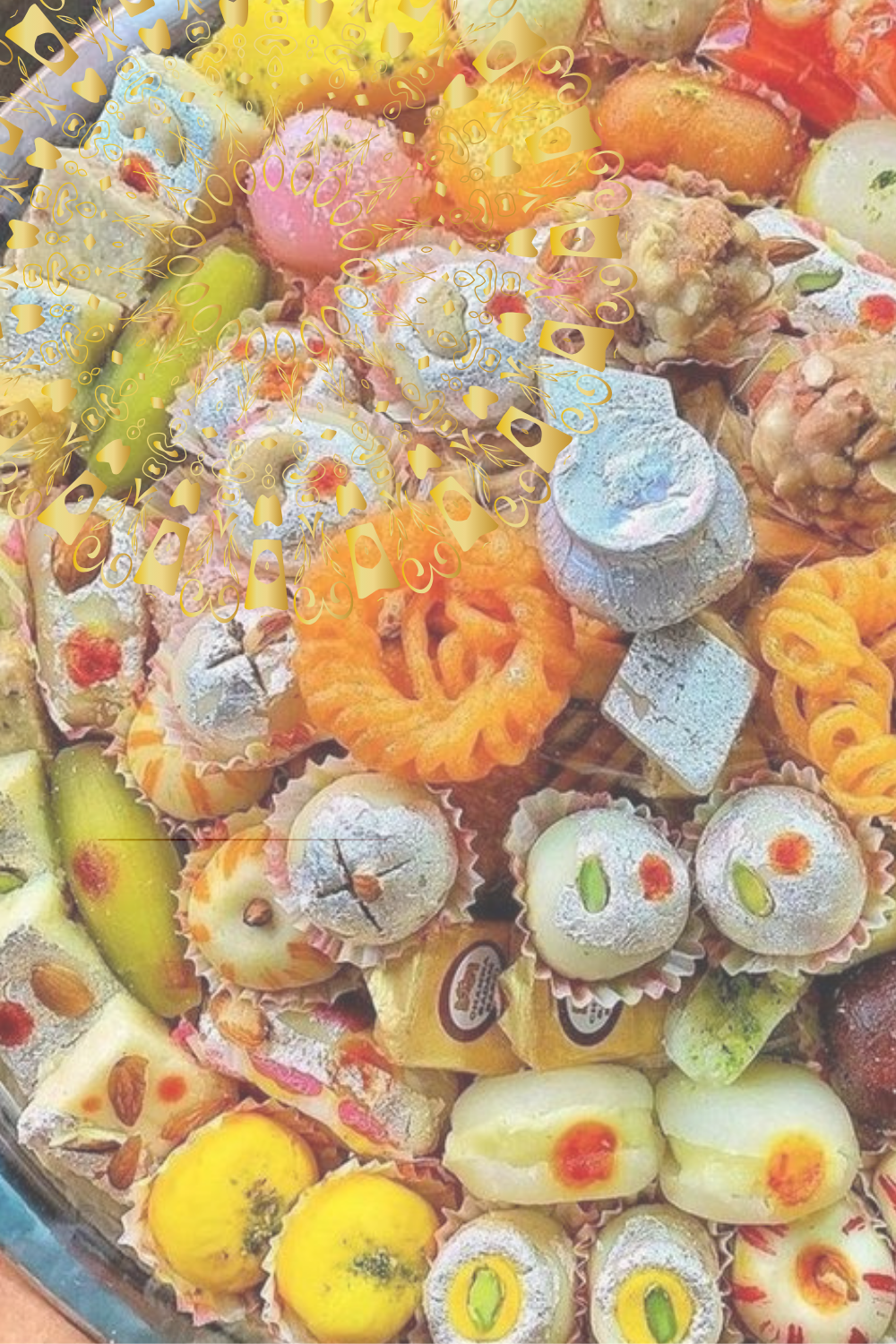
While most guests at an Indian wedding will be enjoying wheat, dairy and nut filled desserts, vegan guests are often left with slim pickings in terms of dessert.
5. Don't Forget the Dessert Bar
This is the saddest part for guests with restrictions.
While everyone is diving into Gulab Jamun (wheat + dairy) and Rasmalai (dairy + nuts), the vegan/GF guests are often left with... fruit.
The Upgrade: Offer Kaju Katli (often vegan/GF, just check the silver foil and binders) or coconut-milk based kheer. Sorbet bars are also a fantastic, refreshing, and generally allergen-safe option for summer weddings.
Conclusion: Inclusive Hospitality
Managing dietary needs isn't just about avoiding allergic reactions; it's about making every person feel seen and welcomed. When a guest sees that you’ve specifically arranged for a vegan paneer alternative or a gluten-free naan, they feel deeply cared for. That is the true spirit of Indian hospitality.
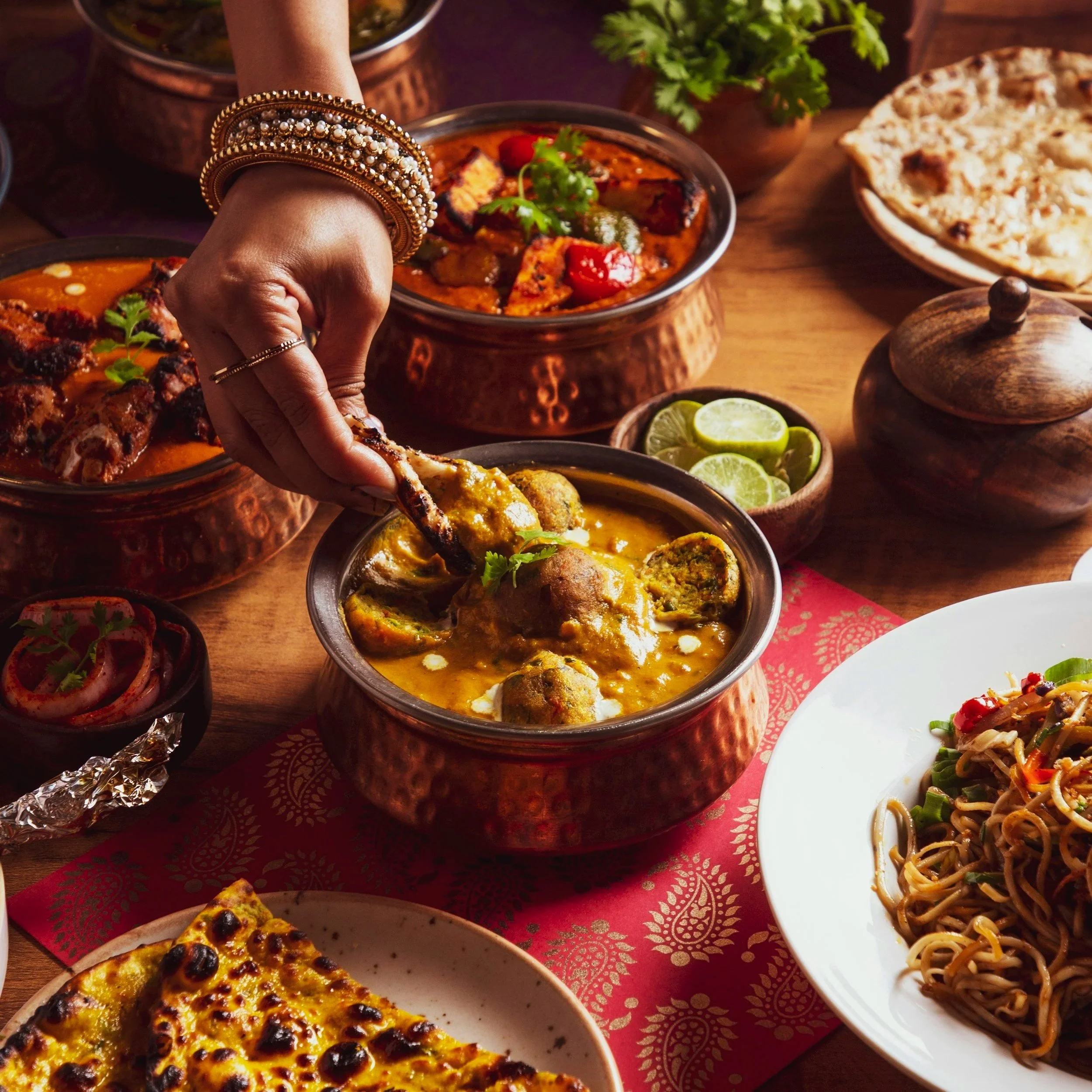
Indian hospitality ensures every guest feels seen and welcomed.
Image credits: Stock images.