
Sunshine & Sarees: 2026 Tips from Florida Indian Wedding Planners.
Imagine stepping out into a 90°F heatwave with 85% humidity while wrapped in a 15-pound handcrafted raw silk lehenga or velvet sherwani, anticipating a two-hour outdoor Baraat procession. For many couples planning a destination South Asian celebration in the Sunshine State, this scenario turns a dream wedding into an exhausting endurance test.
Florida’s sun-drenched beaches, world-class luxury resorts, and vibrant tropical backdrops make it a premier destination for South Asian celebrations. However, executing a multi-day Indian wedding in Florida requires specific logistics, microclimate strategies, and cultural production expertise.
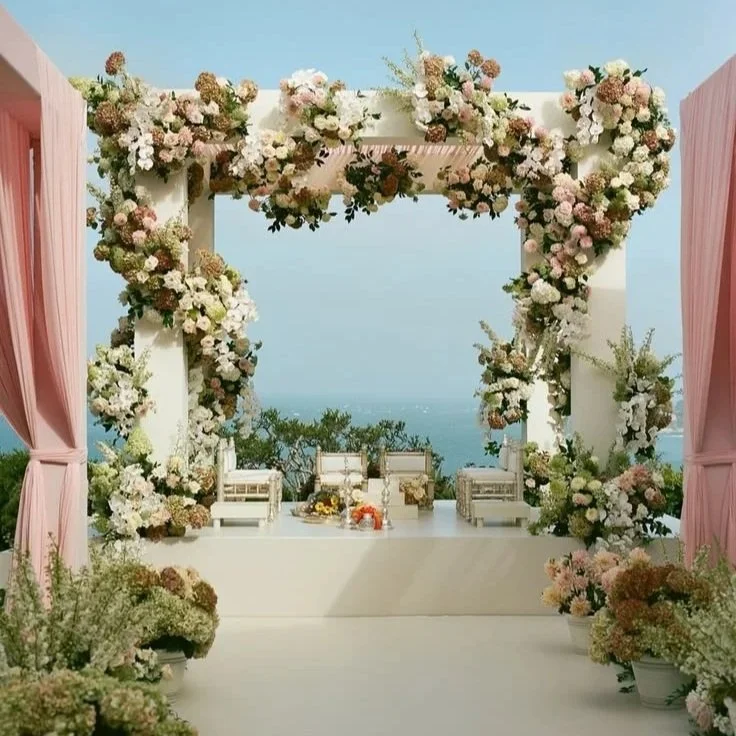
Image Credits: Pinterest
Here are the essential tips from expert Florida Indian wedding planners for navigating 2026 wedding trends, weather contingencies, and vendor logistics.
1. Navigating Florida’s Microclimates: Heat, Humidity, and Rain
Florida offers ideal weather during peak winter and spring, but its tropical climate introduces unique logistical challenges—especially for multi-day events involving heavy traditional attire, open flames, and elaborate outdoor setups.
Heat & Moisture Management for Outdoor Baraats and Haldi Ceremonies
A grand Baraat on a horse, elephant, or luxury sports car is a hallmark of South Asian celebrations. However, mid-day sunshine can quickly fatigue both the wedding party and guests.
Timing is Everything: Schedule outdoor rituals like the Haldi or Baraat during golden hour (early morning or late afternoon).
Guest Comfort Stations: Set up shaded hydration lounges featuring chilled coconut water, customized handheld fans, and floral-infused cooling towels.
Fabrics & Wardrobe: Work with your fashion designers to select breathable silk blends, organza, or fine chikankari embroidery for daytime functions instead of heavy velvets or dense zardozi embellishments.
Read More Here: Trends Spotted by Indian Wedding Planners
Coastal Contingencies: Tropical Downpours and Wind Factors
Coastal venues in Miami, Palm Beach, and Naples offer stunning ocean views, but unpredictable coastal winds and sudden afternoon rain showers require airtight backup plans.
The 3-Hour Rain Call: Ensure your contract with the venue and decorator explicitly defines a clear "rain call" window—typically 3 to 4 hours before the ceremony begins.
Wind-Resistant Mandap Engineering: Coastal gusts can disrupt light drape work and delicate floral installations. Your decorator must use weighted steel framing and secure floral foam anchors for oceanfront Mandaps.
Read More Here: NOAA National Weather Service Historical Climate Data
2. 2026 Aesthetic Trends: Tropics Meet Traditional Grandeur
In 2026, South Asian wedding design in Florida is shifting away from traditional heavy jewel tones toward lush, venue-integrated decor that reflects the natural environment.
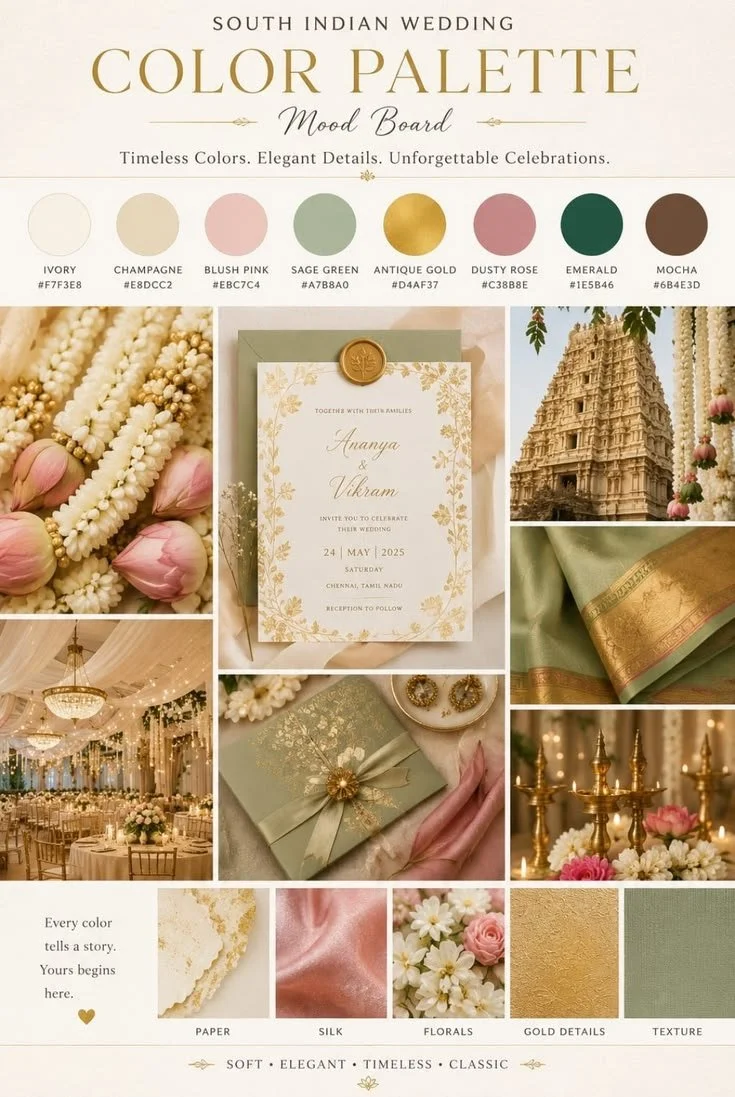
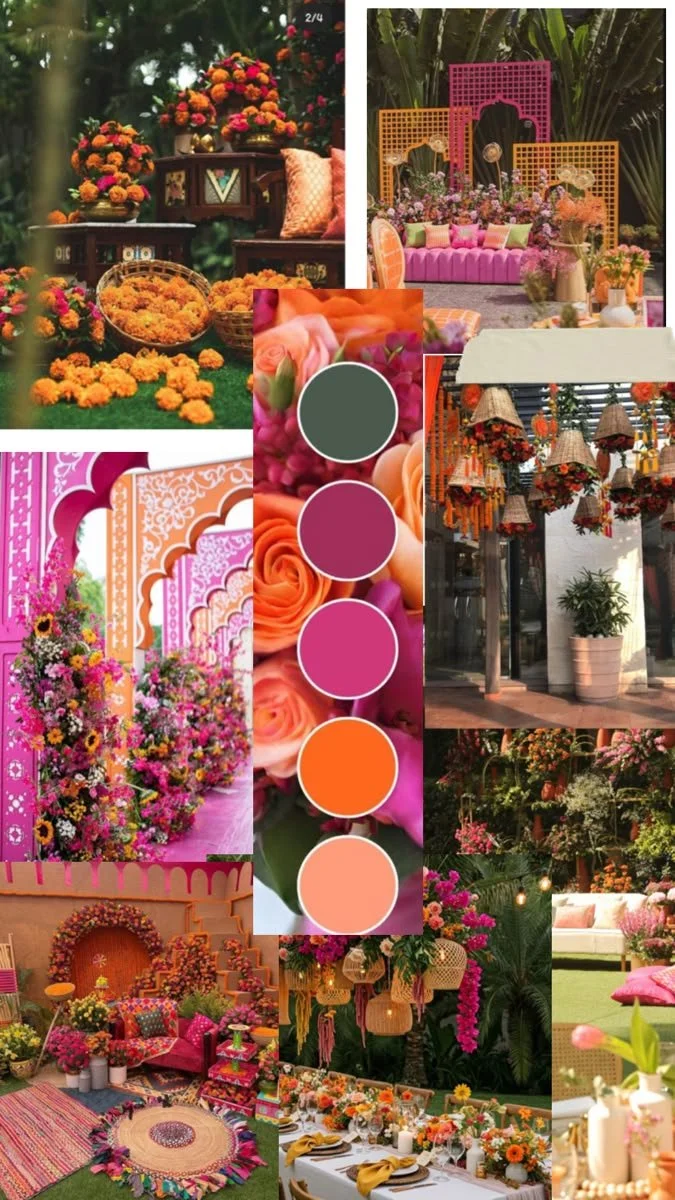
Traditional Jewel Tones vs. Coastal Tropics
The "Coastal Luxe" Palette
Couples traveling from markets like NYC, NJ, and Texas are requesting color palettes that complement Florida’s scenery:
Sangeet Nights: Vibrant citrus hues—tangerine, bougainvillea pink, and lime green—accentuated by rattan lounge furniture and fairylit palm canopy setups.
Pheras (Ceremony): Monochromatic ivory, soft blush, and sunset coral paired with mirror-work accents to reflect natural sunlight.
Floral Architecture and Sustainable Installations
Rather than importing thousands of cut flowers, top Orlando Indian wedding decorators and Miami floral artists are utilizing local tropical greenery (e.g., monstera, traveler's palms, orchids) mixed with sculpted foam-free installations. This approach lowers environmental impact while ensuring blooms withstand humidity without wilting.
3. Destination Logistics: Host Requirements for Out-of-State Guests
Over 70% of Florida Indian destination weddings host guests flying in from major metropolitan hubs like New York, New Jersey, Pennsylvania, and California. Managing guest comfort across a 3-to-4-day itinerary requires careful planning.
Seamless Room Block Management
Hospitality Suites: Allocate a central suite at the resort for Mehendi application, continuous chai/snack service, and informal family gatherings.
Transportation Coordination: Ensure charter shuttles run continuously between primary host hotels and off-site venues (such as waterfront Sangeet locations or local temples).
Read More Here: Destination Indian Wedding planning
Authentic Catering Logistics
Food is central to any South Asian celebration. While luxury Florida resorts offer incredible culinary teams, authentic Indian catering often requires specialized outside vendors.
Outside Catering Agreements: Confirm whether your hotel allows approved outside South Asian caterers or if their in-house culinary team offers authentic live-cooking stations (e.g., chat counters, fresh dosa stations, tandoori grills).
Dietary Nuances: Ensure clear labeling for Jain, Halal, Vegan, and Nut-Free requirements across all buffets and passed hors d'oeuvres.
Read More Here: Grace Ormonde Wedding Style - Luxury Destination Trends
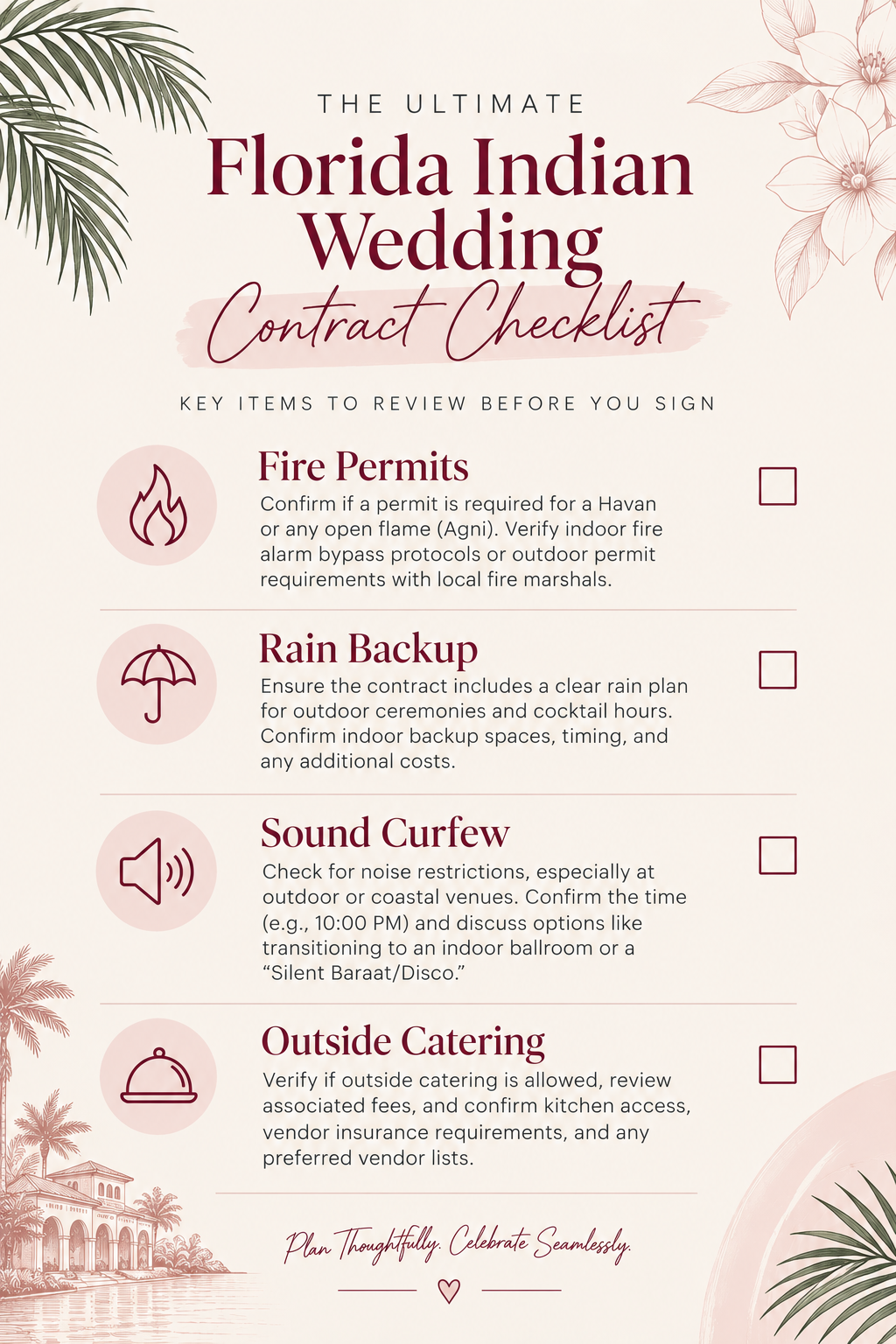
4. Venue Contracts: Navigating Fire Permits and Sound Ordinances
Selecting luxury South Asian wedding venues in Florida involves navigating municipal codes and resort regulations unique to multi-day events.
| Requirement | Key Consideration | Action Item |
|---|---|---|
| Havan Fire Permit | Sacred Pheras require an open flame (Agni). | Verify indoor fire alarm bypass protocols or outdoor permit requirements with local fire marshals. |
| Sound Curfews | Outdoor coastal venues often enforce strict 10:00 PM noise curfews. | Transition the Sangeet or Reception afterparty into a soundproof indoor ballroom or host a "Silent Baraat/Disco". |
| Baraat Vehicles | Animals (elephants/horses) or high-horsepower cars require resort property clearance. | Secure liability insurance riders and check paved surface weight limitations with resort management. |
Frequently Asked Questions
-
The ideal window for a Florida Indian wedding is between November and April. During these months, temperatures range from comfortable high-60s to low-80s with significantly lower humidity levels and minimal rainfall risk compared to the summer and hurricane season (June through October).
-
Most luxury resorts accustomed to South Asian weddings have established protocols with local fire marshals. This typically involves submitting a fire permit application, paying for a designated fire watch guard during the ceremony, and utilizing specialized smoke-reduction methods or dedicated fire-safe Kunds.
-
A hybrid approach often works best. Local Florida Indian wedding planners bring crucial relationships with local venues, fire marshals, and permitting offices. However, many couples choose to fly in primary vendors—such as specific beauty teams, celebrity DJs, or lead photographers—while sourcing heavy rentals, floral decor, and catering locally to save on travel logistics.
-
Popular destinations include major resort hubs in Orlando (offering sprawling ballrooms and flexible outside catering policies), Miami Beach and Fort Lauderdale (ideal for luxury coastal aesthetic), and Naples or Clearwater Beach (offering private beach fronts and upscale resort amenities).