
Live Band vs. DJ: What Works Best for Indian Weddings?
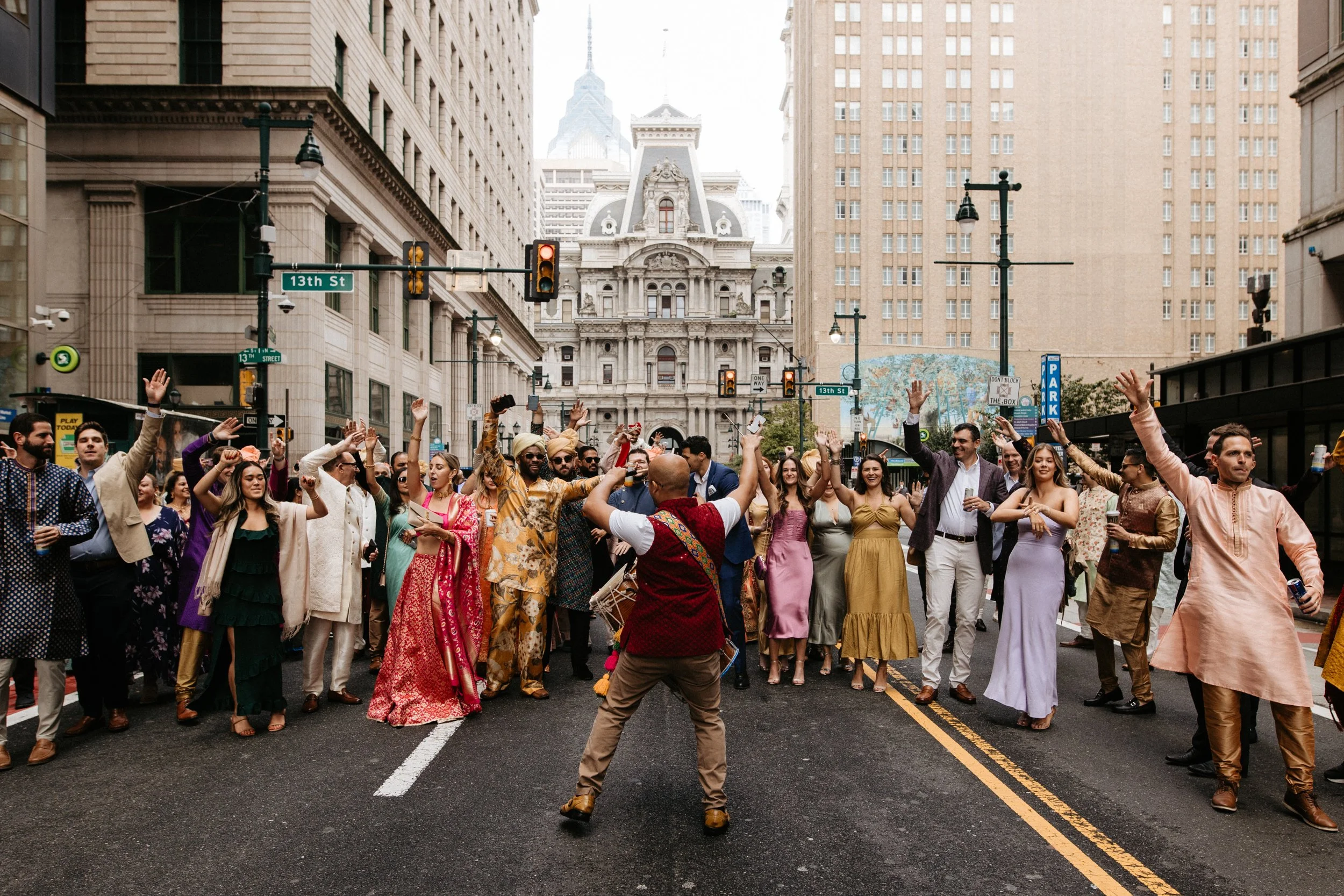
Photo credits: Tori Kelner Photography
The "Empty Dance Floor" Fear: Why Your Entertainment Choice Make or Breaks the Night
You’ve spent thousands on the floral mandap, the five-tier cake, and the custom lighting. But here is the hard truth: nobody remembers the centerpieces if they are bored. The difference between a wedding that ends at 9 PM with guests checking their watches and a wedding that goes until 2 AM with aunties dancing on tables often comes down to one thing: the music.
In the high-energy world of Indian weddings, where music is the heartbeat of the celebration (from the Baraat to the Vidaai), choosing between a Live Band and a Wedding DJ is a massive decision. Do you go for the raw, electric energy of live musicians or the limitless versatility of a DJ who can spin everything from A.R. Rahman to Drake? Here is the ultimate showdown to help you decide.
1. The Live Band: elegance, Energy, and Interaction
There is undeniable prestige in having a live band. It feels expensive, classic, and momentous.
The Pros:
The "Wow" Factor: A live band commands attention. It turns the music into a performance, not just background noise.
Interactive Energy: A great lead singer engages with the crowd, takes requests, and can read the room’s energy instantly, altering the tempo of a song on the fly.
Perfect For: The Cocktail Hour or a formal Reception dinner where you want a sophisticated, jazz-club or Bollywood unplugged vibe.
The Cons:
Repertoire Limits: Even the best bands know a finite number of songs. If your guests suddenly want a niche 90s Punjabi track, a band can't just "queue it up."
Breaks: Musicians are human; they need breaks. This can kill the momentum if you don't have filler music ready.

Image credits: Stock photography via Unsplash Images.
2. The Wedding DJ: Versatility and Non-Stop Beats
For the modern Desi wedding, the DJ is often the MVP. They are the conductors of the party train.
The Pros:
The Infinite Library: A DJ can switch from a classic Kishore Kumar track for your parents to a Bad Bunny hit for your college friends in seconds. They can blend Bhangra, Hip Hop, and Bollywood seamlessly.
Original Tracks: People love singing along to the original versions of songs. A DJ plays the exact track everyone knows and loves.
Continuous Music: No breaks. The music never stops, ensuring the dance floor stays packed.
The Cons:
The "iPod" Risk: A bad DJ can feel like a glorified playlist. You need a professional MC/DJ who interacts, not just someone who pushes buttons.
3. The Best of Both Worlds: The Hybrid Approach
Why choose? The hottest trend in South Asian wedding entertainment right now is the hybrid model.
The Strategy: Hire a DJ to anchor the night, but bring in live elements to spike the energy.
Examples:
DJ + Dhol Players: This is a staple. The thundering beat of live Dhol over a DJ’s track adds a visceral excitement that is unmatched.
DJ + Saxophonist/Violinist: Having a live musician improvise over house music or Bollywood beats creates a unique, club-like atmosphere.
4. Matching the Vibe to the Event
If you can't do both, match the entertainment to the specific function:
Sangeet: DJ is King. This event is about performances and dancing. You need the specific tracks for choreography and high-energy Bollywood hits.
Wedding Ceremony: Live Shehnai/Flute or Classical Trio. It sets a spiritual, traditional tone that recorded music can't replicate.
Reception: Band for Dinner, DJ for Dancing. Start with a live band for a classy dinner atmosphere, then switch to the DJ when it’s time to party.
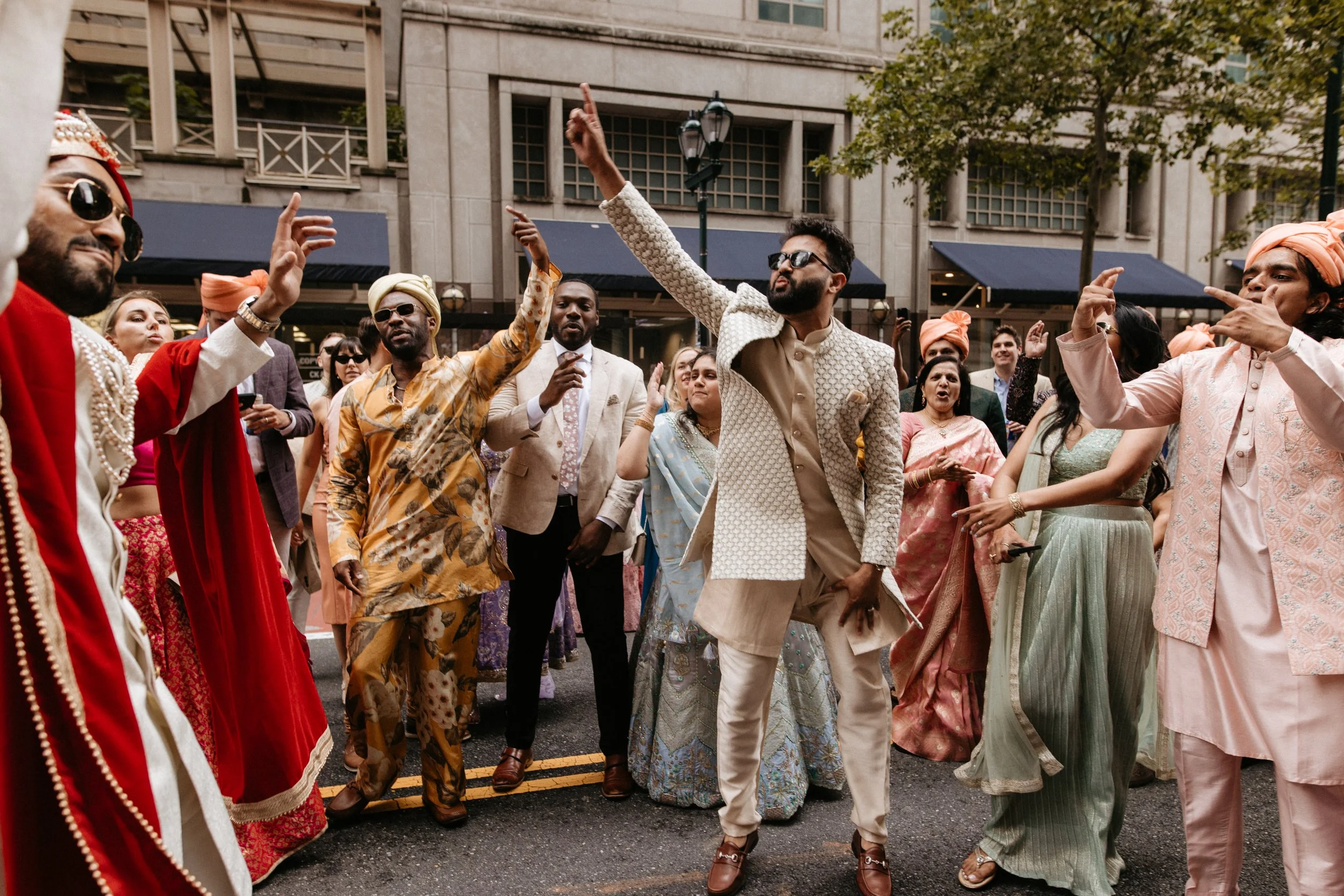
Photography: Tori Kelner Photography
Conclusion: Know Your Crowd
Ultimately, look at your guest list. Is it mostly older relatives who appreciate melody and nostalgia? Go with a band. Is it a younger, party-hard crowd that wants to rave until sunrise? A DJ is your best bet. The right choice is the one that keeps your specific people moving.