
Why Hiring an Indian Wedding Planner Is Worth Every Penny
IMAGE CREDITS: Stock images
The "Bridezilla" Myth: Why You Aren't Crazy, You Just Need a Manager
Picture this: It’s your Sangeet night. You look incredible in your lehenga, the DJ just dropped your favorite Bollywood banger, and you are ready to dance. But instead of being on the dance floor, you are huddled in a corner on the phone, arguing with the caterer about why the paneer tikka appetizers haven't been refilled. Meanwhile, your massi is asking you where the extra chairs are, and the photographer is asking for the shot list.
You aren't a "Bridezilla" for being stressed; you are essentially trying to run a Fortune 500 company event without a CEO. Indian weddings aren't just parties; they are multi-day, logistical marathons involving hundreds of people and thousands of moving parts. Thinking you can manage it all while being the bride or groom is the fastest way to miss your own wedding. Here is why hiring a professional Indian wedding planner isn't a luxury—it’s an absolute necessity.
1. It’s Not One Wedding, It’s Five
A "standard" Western wedding is a ceremony and a reception. A standard South Asian wedding includes the Mehndi, Haldi/Pithi, Sangeet/Garba, the Wedding Ceremony, and the Reception. That is five separate events, often with five different decor setups, catering menus, and timelines.
The Planner Advantage: A professional planner treats these as distinct productions. They manage the turnover between the morning Haldi and the evening Sangeet so you actually have time to shower and breathe.
2. The "Desi Standard Time" Buffer
We all joke about "Desi Standard Time" (DST), but on your wedding day, it’s not funny—it’s expensive. If the Baraat starts 45 minutes late, the ceremony gets pushed, the lunch is delayed, and you end up paying thousands of dollars in overtime fees to the venue and photographers.
The Planner Advantage: A seasoned wedding coordinator knows how to pad the schedule. They know that getting 300 guests onto busses takes 40 minutes, not 15. They act as the strict timekeeper, herding aunties and uncles so you hit your muhurat (auspicious time) without stress.
3. The Family Dynamic Referee
Indian weddings are a family affair, which means they come with family opinions. From how the Mandap should look to who gets invited, the pressure can be overwhelming.
The Planner Advantage: A planner acts as a neutral third party. They can be the "bad guy" who tells your parents that adding 50 extra guests isn't possible due to fire codes, saving you from having that argument. They balance the traditional expectations of parents with the modern vision of the couple.
4. Vendor Vetting (Instagram vs. Reality)
That decorator might have a stunning Instagram feed, but do they show up on time? Does that caterer’s food taste as good for 500 people as it did at the tasting for four?
The Planner Advantage: Experienced Indian wedding planners have a "black book" of trusted vendors. They know who delivers and who ghosts. They can read the fine print of contracts to ensure there are no hidden costs for "extra" hours or cleaning fees.
5. Crisis Management (The Firefighter)
Something will go wrong. The generator might fail during the outdoor pheras, the zipper on your blouse might break, or the pundit might get stuck in traffic.
The Planner Advantage: You will never know about any of this. A planner solves these problems in the background. While they are sewing your blouse or calling a backup generator, you are blissfully unaware, sipping champagne and enjoying your reception.
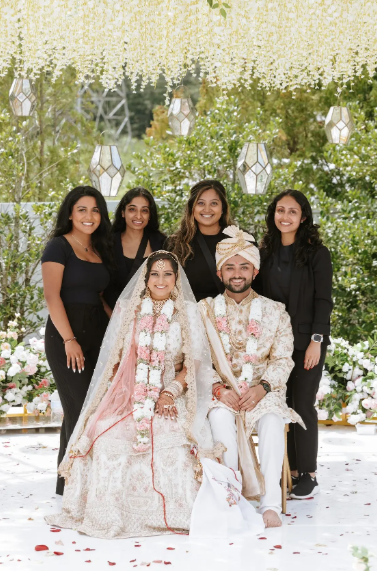
Hiring a professional Indian wedding planner isn't a luxury—it’s an absolute necessity. Our THH wedding coordinators in action at a wedding!
Image credits:
Venue - Hanover Marriott @Hanovermarriott
Decorator: Nirali Decor @Niralidecor
Photographer: Studio Nine Photography | Zach Blum @Studioninephoto
Conclusion: Buying Your Peace of Mind
When you look at the cost of a planner, don't look at it as an expense; look at it as insurance for your experience. You are spending a fortune on food, decor, and venues. A planner ensures you actually get to enjoy those things. They allow you to be a guest at your own wedding, present in the moment rather than worried about the logistics. And that? That is worth every penny.