
How to Create a Seamless Wedding Weekend Schedule
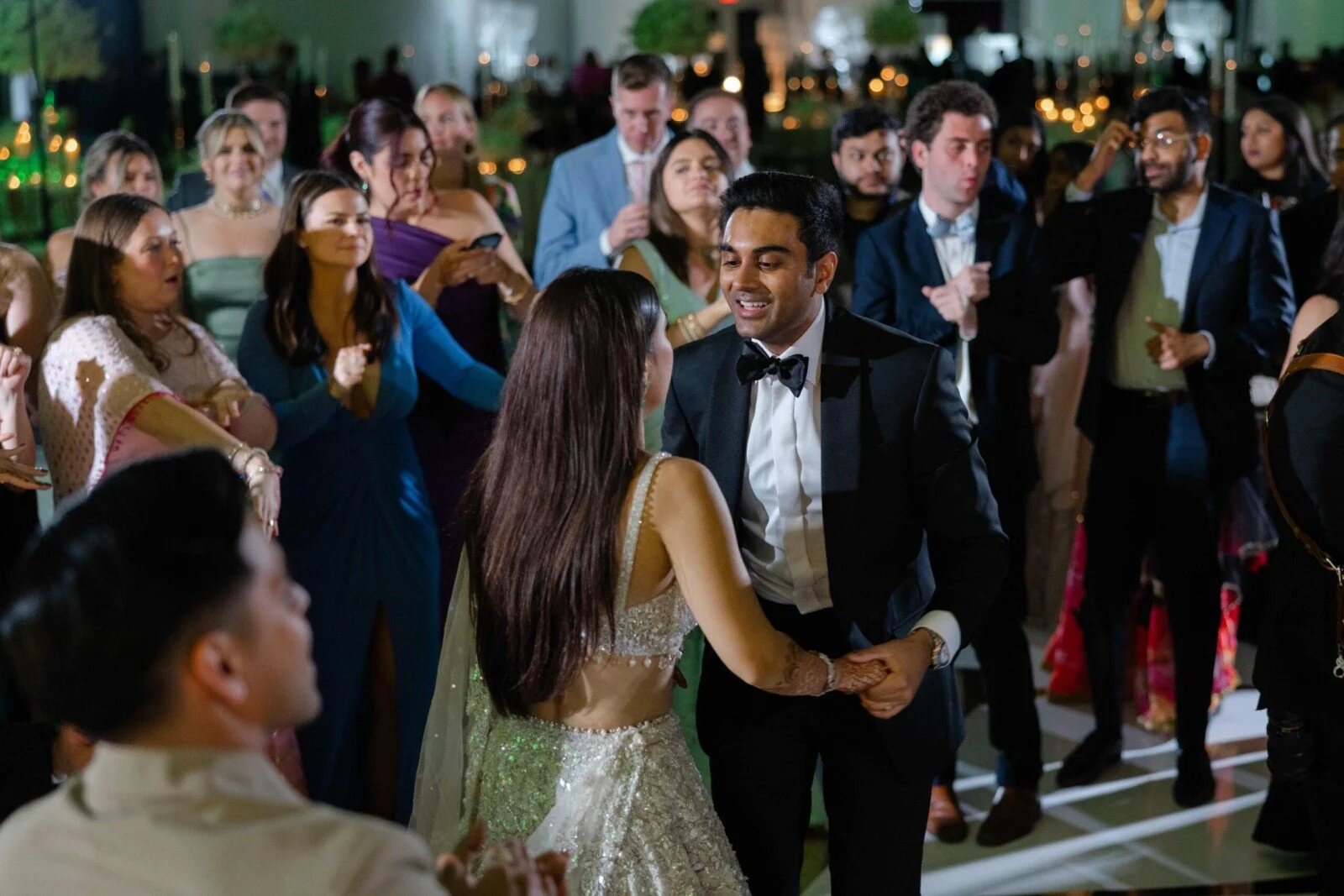
IMAGE CREDITS:
Photographer - Melannie Morfa
The "Wedding Lag" Is Real: Why Your Guests Are Exhausted by 2 PM
We have all been to that wedding. The ceremony ends at 11:00 AM, but the lunch doesn't start until 1:30 PM. You are stuck in the lobby in your heavy silk saree, hungry, holding a gift bag, and checking your phone battery. By the time the reception rolls around in the evening, you are not excited; you are exhausted.
In the marathon that is an Indian wedding weekend, the schedule is the invisible skeleton that holds everything together. A bad timeline creates stress, cranky guests, and rushed photos. A great timeline creates a seamless "flow" where guests feel energized and taken care of. Creating a seamless wedding schedule isn't just about logistics; it’s about empathy. Here is how to build a timeline that flows like water, not like rush-hour traffic.
IMAGE CREDITS: Unsplash images/ Stock images.
1. The "Goldilocks" Gap: Not Too Long, Not Too Short
The gap between the Wedding Ceremony and the Reception is the trickiest part of the day.
The Mistake: A 4-hour gap. Guests go back to the hotel, fall asleep, and struggle to wake up and get ready again. Or, a 30-minute gap where no one has time to change out of their traditional wear.
The Fix: Aim for a "Goldilocks" gap of about 2.5 to 3 hours. This gives guests enough time to travel, shower, change into evening wear, and grab a coffee, but not enough time to completely crash.
2. The "Desi Standard Time" Buffer (It’s Mandatory)
If Google Maps says it takes 20 minutes to get from the Gurdwara to the hotel, write down 40 minutes.
The Reality: 300 guests trying to leave a venue simultaneously creates a traffic jam. Elevators in hotels get clogged.
The Strategy: Pad every movement by 15-20 minutes. It is better to have guests arrive early and mingle than to have the bride stuck in traffic while the auspicious time (Muhurat) ticks away.
3. Account for the "Outfit Change" Struggle
Changing from a heavy Lehenga into a Reception gown isn't like changing jeans. It involves undoing safety pins, removing heavy jewelry, fixing hair, and re-draping.
The Tip: Be realistic. A bride needs at least 90 minutes for a full hair and makeup touch-up and outfit change. Do not schedule your couple portraits during this time unless you want to feel panicked.
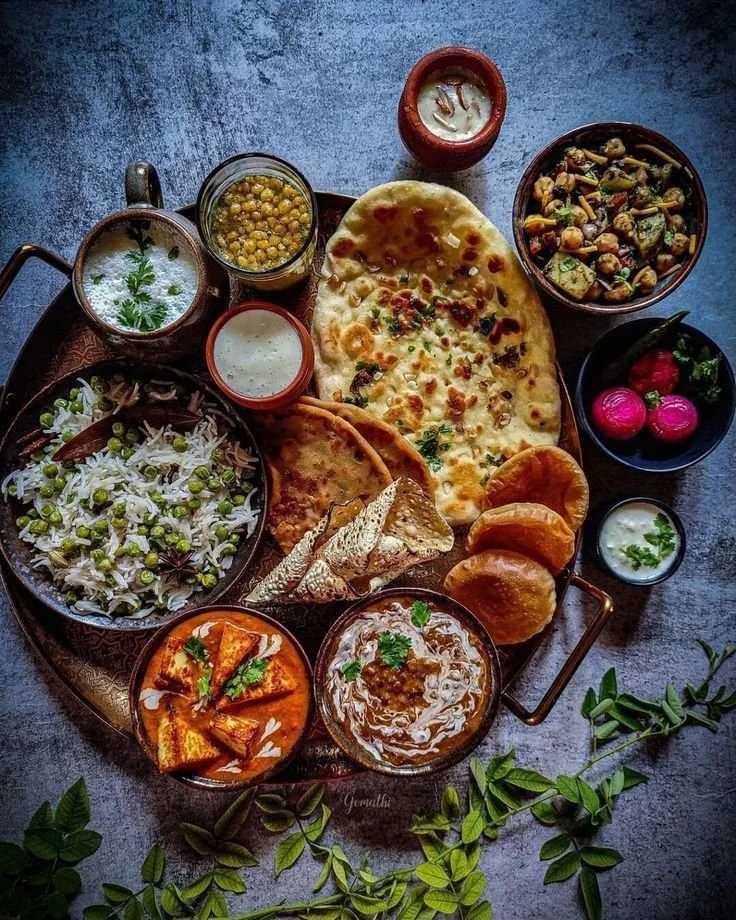
IMAGE CREDITS: Pinterest
4. Feed Them Before You Need Them
Hanger (Hunger + Anger) is the enemy of a good party.
The Rule: Never go more than 3 hours without offering food.
The Scenario: If your ceremony runs late, have snacks ready immediately after. If the cocktail hour is delayed, have servers pass hors d'oeuvres in the lobby. Well-fed guests are forgiving guests.
5. The "Printed vs. Digital" Communication
You might know the schedule, but do your guests?
The Strategy: Over-communicate. Put a printed itinerary in the welcome bags. Have a large easel in the hotel lobby with the day's timing. Send a WhatsApp blast in the morning.
Why: When guests know exactly where to be and when, they self-regulate. They know they have 30 minutes to nap, or 10 minutes to grab a shuttle, reducing the "herding cats" phenomenon.
Conclusion: Flow is a Feeling
A seamless schedule shouldn't feel rigid; it should feel effortless. When you plan with the guest experience in mind—accounting for rest, food, and travel—you create an atmosphere where everyone can focus on celebrating you, rather than checking their watches.