Creative Ways to Personalize Your Pheras
7 Creative Ways to Personalize Your Pheras: Making the Sacred Vows Uniquely Yours
While the vibrant baraat gets the adrenaline pumping and the reception brings the high-energy celebration, the Pheras (or Saptapadi) are the true emotional core of any Hindu wedding. It is the exact moment two lives, two families, and two souls officially entwine. Yet, so many couples tell us they felt like passive observers during their own ceremony—listening to Sanskrit mantras they didn't fully comprehend, walking around the sacred fire in a whirlwind of heat and flashbulbs, and missing out on the deep spiritual resonance of the moment.
Your ceremony does not have to feel like a cookie-cutter ritual. Whether you are hosting a grand ballroom celebration guided by a top Indian wedding planner in NJ, an intimate beachfront ceremony with Mexico Indian wedding planning, or a lavish affair under a sunset sky in California, your Pheras can be as personal, intimate, and memorable as your love story itself.
Here is how to infuse deep personal meaning, cultural nuance, and modern elegance into your seven sacred rounds without sacrificing Vedic tradition.
1. Co-Create or Translate Your Phera Vows
The traditional Saptapadi mantras cover fundamental pillars of life: nourishment, strength, prosperity, family, health, togetherness, and lifelong friendship. However, when chanted solely in Sanskrit, the profound beauty of these commitments can get lost in translation for you and your guests.
Write Personal Promises Alongside Traditional Mantras: Work with an open-minded Pandit or officiant who allows you to recite personal English or native-language promises after each Phera.
Design Keepsake Vow Books: Have your personal vows printed in custom calligraphed vow books that match your wedding stationery.
Pro Tip: If you are working with an NYC South Asian wedding photographer, let them know in advance when you’ll be exchanging personal vows during the Pheras. These unscripted, tear-jerking moments create the most authentic, award-winning portraits of the day.
Read More Here: Choose the right pandit for your indian wedding
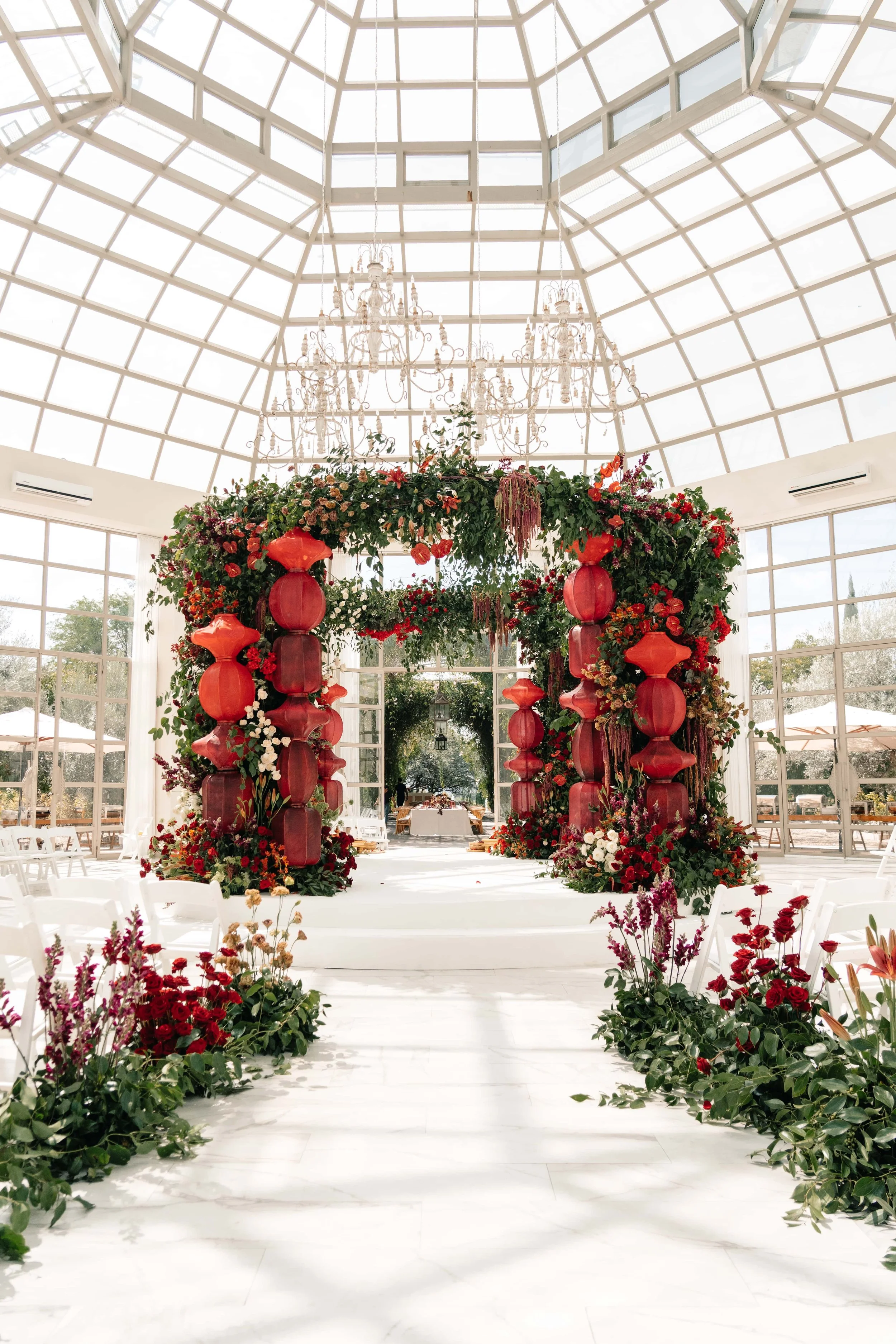
2. Weave Your Story into the Mandap Design
Your mandap is more than a stage; it is the sacred home where your new family begins. Instead of choosing a off-the-shelf design catalog, use the architecture and decor of your mandap to tell your personal narrative.
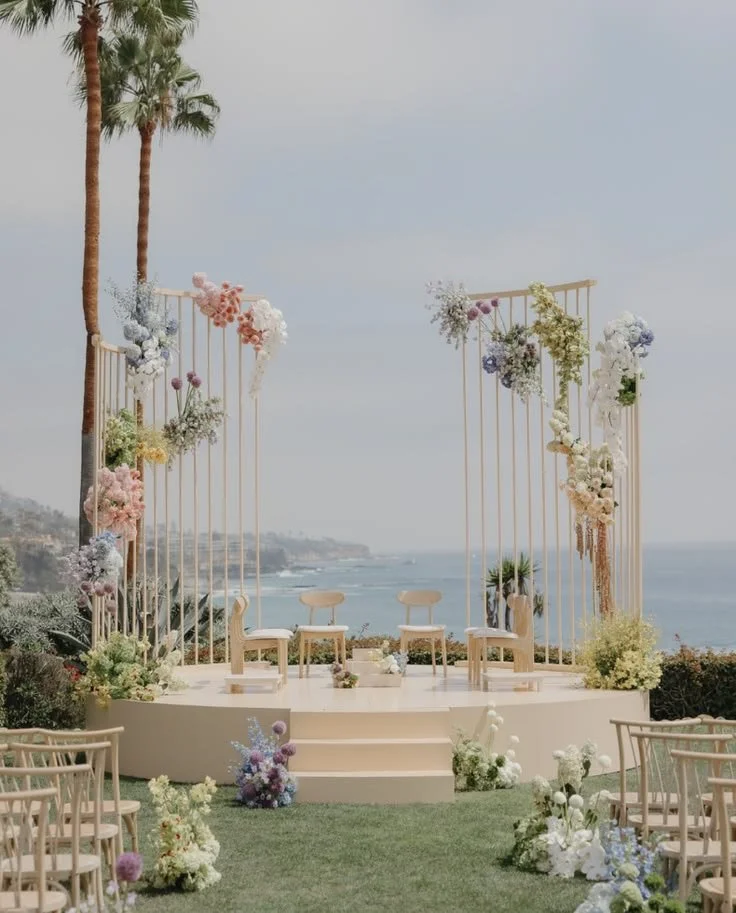
Regional Aesthetics: A California mandap design might incorporate open-air acrylic pillars, eucalyptus, and panoramic ocean vistas, while a luxury Pennsylvania mandap setup inside a historic ballroom might lean into rich velvet drapes, romantic candles, and classic marigolds.
Sentimental Details: Incorporate embroidered fabric panels featuring your love story timeline, or hang miniature framed photos of ancestors who are watching over you from above.
Interactive Elements: Integrate floral elements harvested from your family’s gardens or regions representing your heritage (e.g., jasmine from Southern India alongside red roses from Punjab).
3. Curate a Customized Live Musical Score
Music sets the spiritual frequency of the Pheras. Rather than relying on generic background tracks, elevate the emotional atmosphere by live-scoring each of the seven rounds.
Theme Each Phera: Assign a specific musical melody or rag to each Phera. For instance, begin with a calming classical sitar during the first Phera and transition to a soulful live acoustic rendition of your favorite song during the final Phera.
Fusion Soundscapes: For modern couples planning a luxury Texas Indian wedding, fusing traditional shehnai or flute with live cello or harp creates a cinematic ambiance that spellbinds guests of all backgrounds.
Read More Here: Bride & Groom Magazine
4. Provide Bilingual, Illustrated Ceremony Programs
One of the best ways to keep your guests engaged—especially if you have a multicultural crowd—is to demystify the rituals. A well-designed ceremony booklet transforms passive spectators into emotionally invested witnesses.
Break Down the Seven Steps: Dedicate a page to explaining what each Phera signifies in modern, relatable language.
Include a "Who’s Who" Guide: Outline the roles of key family members (who is pouring the puffed rice for Laja Homam, who is tying the Gathbandhan, etc.).
Add Personal Anecdotes: Include a short note from the couple explaining why specific elements of the ceremony were chosen.
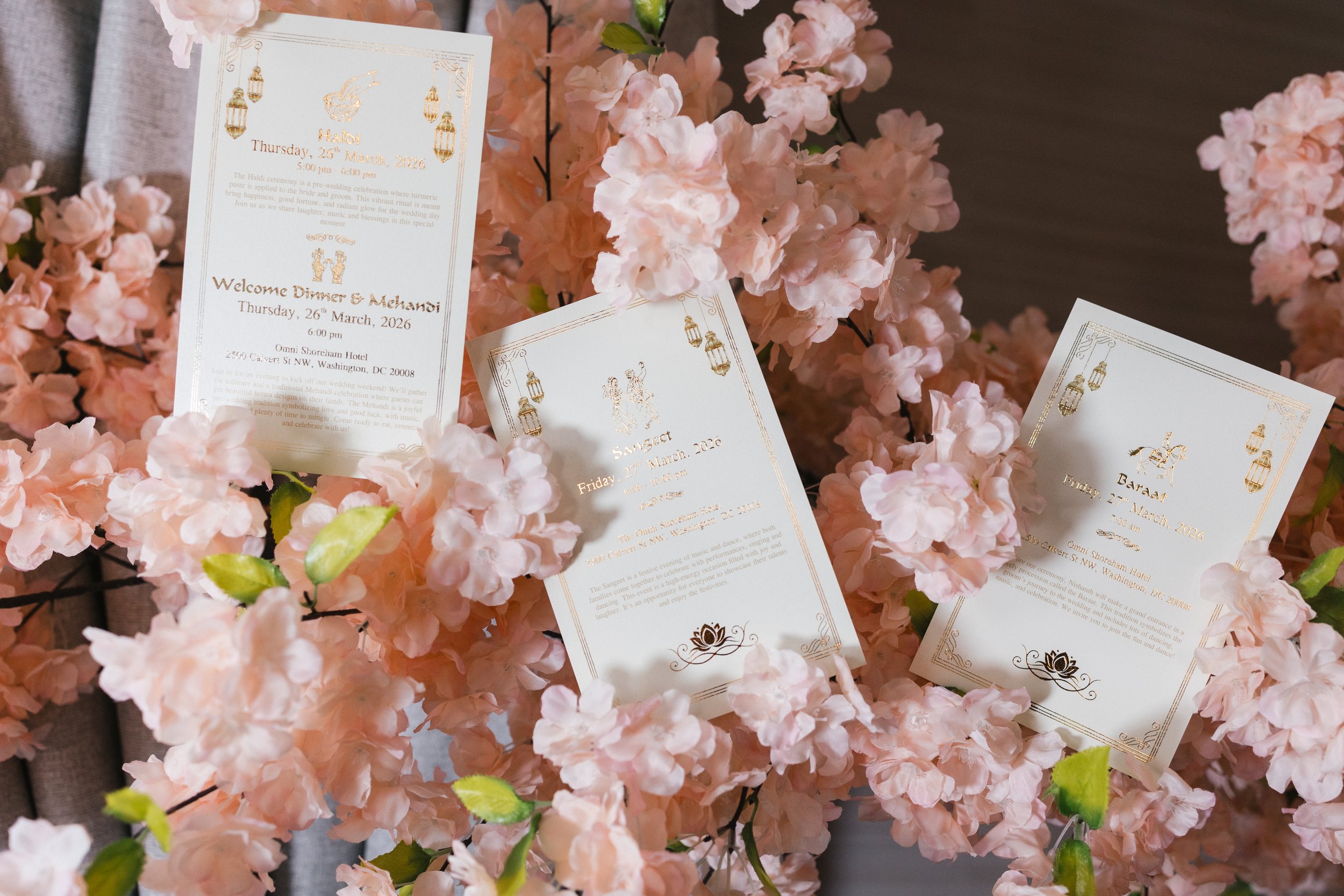
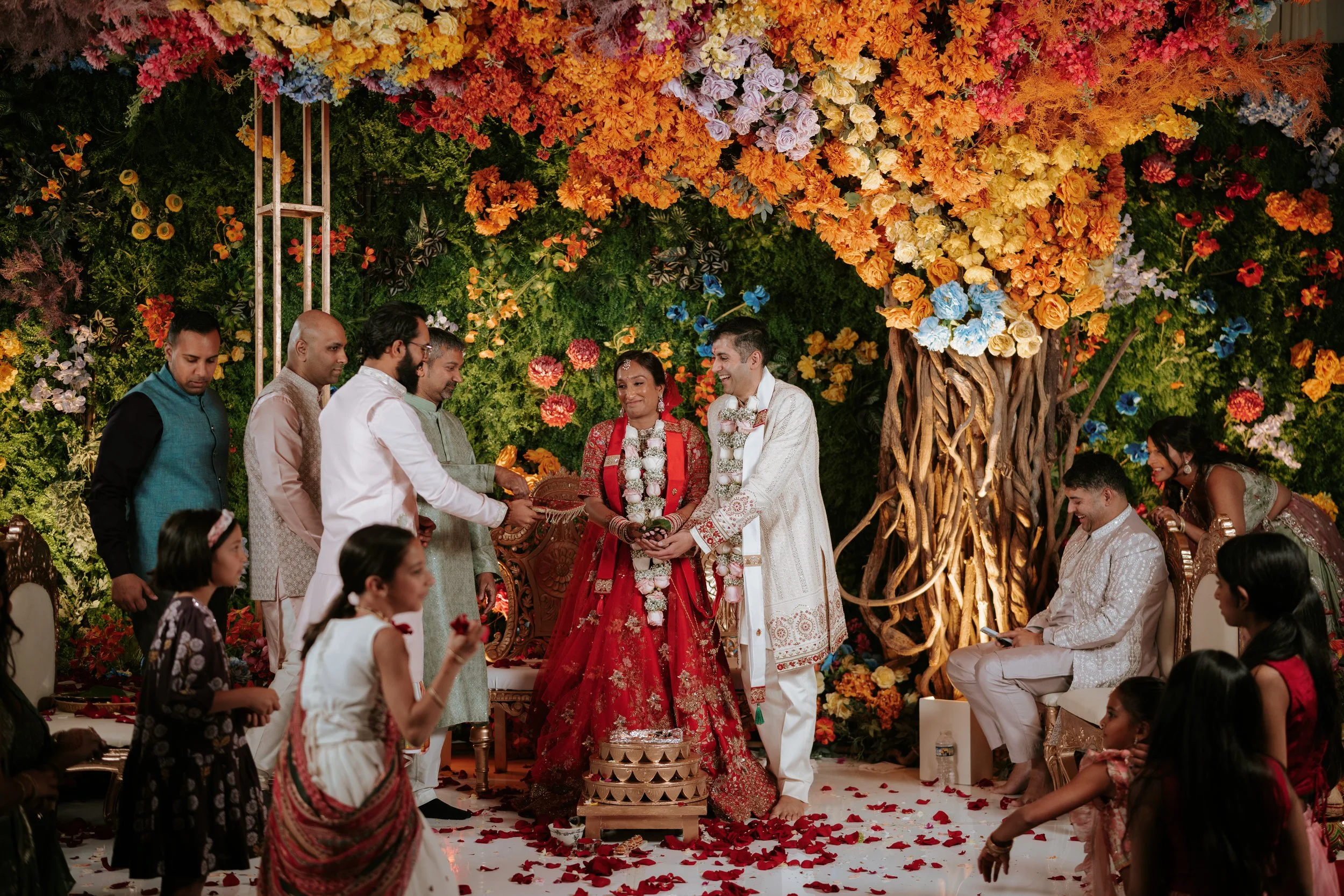
Image credits:
Photography: Paperboys | IG: @paperboysweddings
Planner - Tum Hi Ho Events
Venue - Omni Shoreham Hotel
Learn More: Explore our wedding planning and coordination services
5. Tailor the Fire Ceremony (Agni) Elements
The sacred fire (Agni) serves as the divine witness to your union. You can personalize the offerings made during the rituals to reflect your values and wishes for the future.
Scented Sacred Offerings: Enhance the sensory experience by incorporating aromatic herbs, dried lavender, rose petals, sandalwood powder, or frankincense into the samagri (sacred fire mix).
Eco-Friendly & Sustainable Pheras: If sustainability is close to your heart, opt for smokeless ghee, organic bio-degradable floral confetti for guests, and potted plants around the mandap that can be replanted after the ceremony.
6. Embrace Local Landscape for Destination Pheras
If you are planning a Florida destination Indian wedding or heading south for Mexico Indian wedding planning, embrace the natural canvas around you.
Sunset Timing: Calculate your Phera timing around the exact moment of golden hour. The golden glow over the Caribbean or Gulf coast creates an ethereal backdrop for your seven vows.
Blended Rituals: Incorporate local natural elements—like Mayan copal resin incense in Mexico or local coastal flora—to honor the land hosting your sacred union.
Read More Here: Wedinspire - Luxury Destination Venue Guide
7. Create a Sacred Guest Blessing Ritual
Your guests are not just an audience; in Hindu tradition, their presence (Ashirwad) validates and blesses the marriage. Give them an active role during the Pheras.
Ring Blessing / Floral Ring: Before the ceremony, pass your wedding bands or auspicious thread through close family members so each person can hold them for a brief moment and offer a silent prayer.
Personalized Blessing Cones: Provide guests with eco-friendly cones filled with fresh flower petals and personalized notes asking them to shower you with blessings specifically during the 7th Phera.
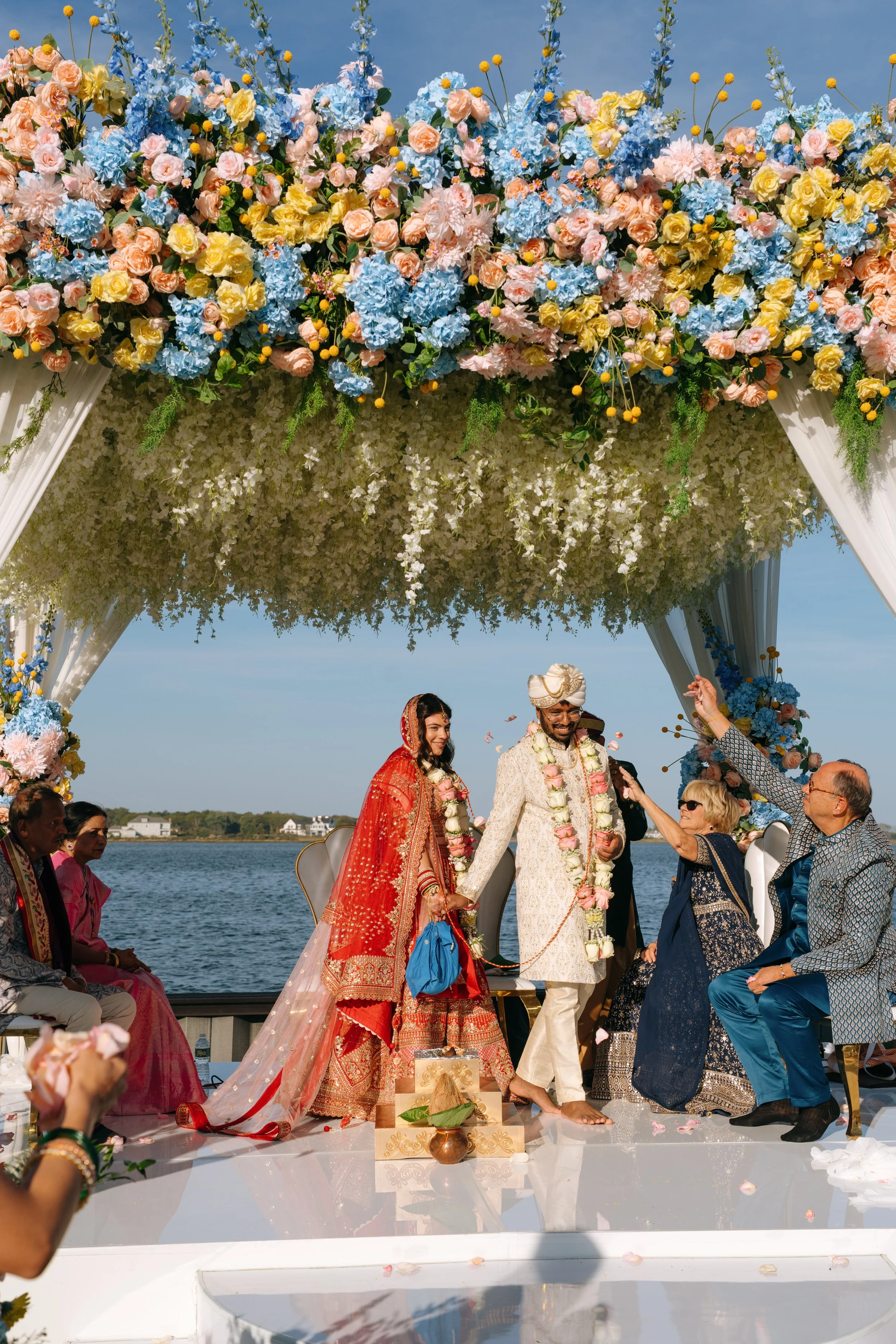
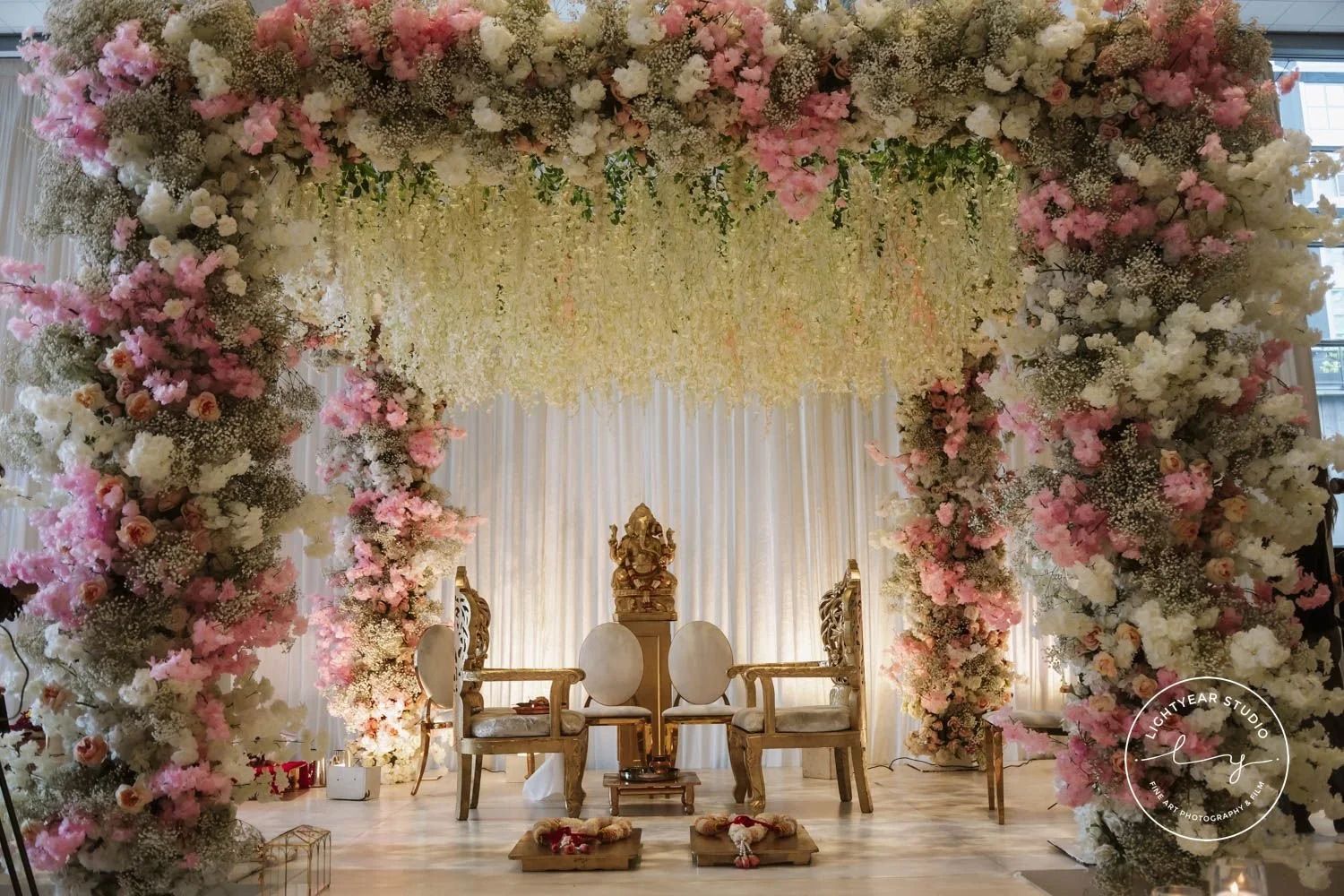
Image credits:
Photography: Jesslyn McCartney | IG: @jesslynmccartney
Planner - Tum Hi Ho Events
Venue - Rumson Country Club
Frequently Asked Questions (FAQs)
-
Absolutely. A experienced Pandit can conduct an authentic, Vedic-compliant ceremony in 30 to 45 minutes by focusing on core rituals like the Kanyadaan, Mangalsutra, and Saptapadi (Pheras) while streamlining lengthy introductory prayers. Discuss your timeline preferences with your priest well in advance.
-
The most effective method is providing a clear, beautifully designed ceremony program card that explains each ritual step-by-step. Additionally, ask your officiant/Pandit to explain key moments in English over the microphone during the ceremony.
-
For warm regional climates, early morning (around sunrise) or late afternoon (golden hour, 1.5 to 2 hours before sunset) are ideal. This keeps temperatures comfortable for the couple and guests while providing optimum natural lighting for photography.
-
You can blend traditions seamlessly by co-officiating (having a Pandit alongside a priest, rabbi, or secular officiant), translating the seven vows into both languages, or combining symbolic gestures like exchanging written vows alongside traditional Mangalsutra and Saptapadi rituals.